In 2026, cold plunge tubs—once a niche recovery tool among elite athletes—have broken into the mainstream wellness scene. From home use to gyms, spas, and communal wellness spaces, their popularity is surging. Here’s why this chilly ritual is fast becoming a fitness essential.
1. Scientifically Backed Physical and Mental Benefits
Cold plunge tubs deliver impactful, rapid recovery benefits:
- Muscle recovery & reduced soreness: Cold plunge tubs or cold water immersion constricts blood vessels, easing inflammation and flushing out lactic acid. Studies show soreness can decrease by 20–30%, aiding consistent training.
- Mental clarity & stress resilience: The cold shock increases norepinephrine and endorphins—naturally enhancing mood and focus.
- Immune and metabolic support: Cold therapy activates calorie-burning brown adipose tissue and supports white blood cell production, bolstering immunity.
- Better circulation and skin health: Alternating cold exposure improves blood flow, detoxification, and leaves skin glowing—a boon for wellness and beauty enthusiasts.
2. Influencer, Celebrity & Media Visibility
Mainstream visibility accelerates adoption of cold plunge tubs:
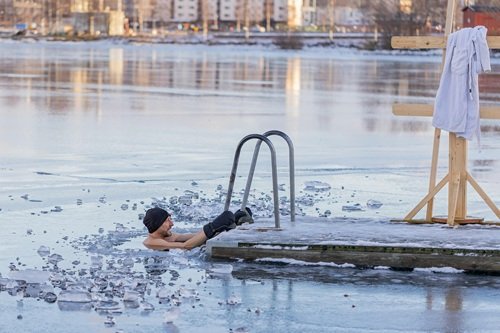
- Celebrities such as Guy Fieri, David Beckham, and Mark Wahlberg have installed cold plunge tubs at home—tying wellness with aspirational lifestyle appeal.
- High-profile media outlets and wellness influencers—from Goop to TikTok—are spotlighting cold plunge tubs.
- New social wellness hubs , a bathing club opening soon in NYC, feature contrast therapy including cold plunge tubs exposure within immersive, design-forward environments.
3. Fitness Industry & Home Market Boom
The shift from gyms to homes marks broader adoption:
- A 2023 survey found 68% of high-end gyms now offer cold plunge tubs, up from 22% in 2018.
- The global cold plunge tub market was at $2.8 billion in 2023, projected to grow robustly through 2030.
- In North America, the market share is about 38%, with commercial usage accounting for 81%; in the U.S. specifically, residential interest is picking up quickly.
4. Technological Innovation and Smart Design
Cold plunge tubs now align with tech-forward wellness:
- Modern units feature precision temperature control, WI‑Fi/mobile app operation, and AI-driven recovery tracking.
- Energy-efficient and eco-conscious models—like solar-powered or insulated designs—appeal to sustainability-minded consumers.
- AI and virtual coaching systems are emerging, offering session customization and maintenance alerts.
Also Read: The Primal Fitness Comeback: Why Natural Movement is Booming in 2026 | 7 Powerful Reasons Why Pickleball Is the Fastest-Growing Outdoor Fitness Trend | Labubu Blind Boxes Unboxed: The Viral Toy Craze Redefining Fashion and Fandom in 2026 | Digital detox 2026 | Sustainable Lifestyle 2026
5. Accessible to Everyday Wellness Seekers
What once felt exclusive is now user-friendly:
- Compact inflatable and stylish home models (e.g., from Plunge, Ice Barrel) fit urban spaces and aesthetics.
- Entry-level options and DIY methods—like chests bathed in ice—make cold plunging approachable for beginners.
- Even Amazon offers inflatable full-body ice bath tubs under $60, boosting affordability and enthusiasm.
6. Integration with Lifestyle & Wellness Culture
Cold plunges fit seamlessly into broader wellness narratives:
- The post‑pandemic emphasis on mental resilience and immunity places cold therapy in demand.
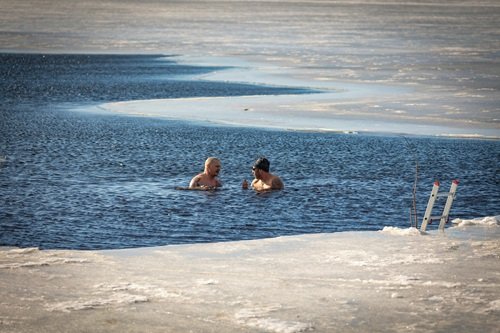
- Spa and fitness facilities now combine contrast therapy—alternating between hot and cold—to amplify recovery benefits.
- As a ritual, cold plunges symbolize discipline and mental fortitude—valued traits among biohackers and mindful practitioners.
7. Potential Downsides Awareness Builds Credibility
Understanding the challenges enhances responsible adoption:
- Some studies suggest post-exercise cold immersion may blunt muscle hypertrophy, raising concerns about overuse.
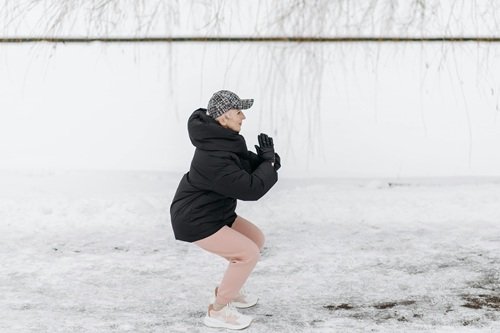
- Risks such as cold shock, hypothermia, and cardiovascular stress underline the need for gradual exposure and caution—especially for beginners or those with health conditions.
- A study in Physiology & Behavior found cold plunges may ramp up calorie burn but also stimulate appetite—potentially counterbalancing weight loss goals.
7 Key Drivers
| S.NO. | Driver | Why It Matters |
|---|---|---|
| 1 | Proven health benefits | Recovery, mental resilience, immune/metabolic gains |
| 2 | Visibility & cultural appeal | Celebrities and wellness spaces drive adoption |
| 3 | Market expansion | Gyms and homes embracing widespread availability |
| 4 | Smart and sustainable design | Tech-savvy, eco-conscious enhancements |
| 5 | Accessibility for consumers | Affordable and space-friendly options show viability |
| 6 | Integration with wellness culture | Fits routines of recovery, mindfulness, social media |
| 7 | Balanced messaging around risks | Promotes responsible and sustainable use |
Conclusion
Inflated by technology, celebrity endorsement, scientific validation, and mainstream accessibility, cold plunge tubs have cemented themselves as a defining fitness trend of 2026. From recovery-focused athletes to home wellness seekers, cold immersion is more than a fad—it’s fast becoming a ritual for resilience, clarity, and holistic wellness.
Read More: Silent Walks: Why Gen Z Is Ditching Headphones for Mindful Mornings in 2026 | What is 75 hard challenge? | HOW YOGA BENEFITS YOU IN EVERYDAY LIFE | WHAT IS CARB CYCLE – FAST FAT BURNING PROCESS! | Fittheories | 10 Powerful Reasons Why Outdoor Sports Are Essential for Family Bonding
Frequently Asked Questions
How do cold plunge tubs work and what physical changes do they trigger?
Cold water immersion activates the parasympathetic nervous system after initial shock, increases circulation, and triggers norepinephrine release that supports mental clarity and recovery. Repeated exposure builds tolerance and amplifies cardiovascular and mental health adaptations.
What are the claimed benefits of cold plunge tubs?
Advocates claim benefits including improved recovery, enhanced mood and mental clarity, increased resilience to stress, and improved circulation. Some research supports recovery benefits, though many claims require more scientific validation.
How long should I stay in cold water and how cold should it be?
Beginners should start with 1-3 minutes at 50-60 degrees Fahrenheit and gradually work up to 2-5 minutes as tolerance builds. Consistency matters more than extreme cold or long duration.
Are cold plunges safe for everyone?
Cold plunges may not be appropriate for people with certain heart conditions, extremely high blood pressure, or other medical conditions. Consult with a healthcare provider before starting cold plunge therapy, especially if you have health concerns.
Can I get cold plunge benefits from cold showers instead of tubs?
Cold showers provide some similar benefits with better accessibility and lower cost, though full-body immersion in dedicated tubs produces more significant physiological effects. Cold showers make an excellent alternative if tubs aren’t available.