Creating a healthy home environment is one of the most meaningful investments you can make for your family’s well-being. A home isn’t just a place to sleep—it’s where children grow, habits form, and family bonds are strengthened. The quality of your indoor environment impacts physical health, emotional balance, and even productivity. Fortunately, building a healthy home doesn’t require massive renovations. With simple, consistent practices, you can transform your living space into a safe, nurturing, and wellness-focused environment.
Below are 10 practical, science-backed, and family-friendly ways to create a healthy home environment.

1. Improve Indoor Air Quality
Indoor air can contain more pollutants than the outdoors. Dust, pet dander, mold, smoke, cleaning chemicals, and even furniture can release irritants that worsen allergies and respiratory issues.
How to improve air quality:
- Open windows for 10–15 minutes daily to circulate fresh air.
- Use natural or fragrance-free cleaning products.
- Vacuum carpets and rugs at least twice a week with a HEPA filter.
- Keep indoor plants like snake plants and peace lilies (non-toxic ones if you have pets).
Pro tip:
Consider an air purifier with a HEPA filter if anyone in your home has asthma or allergies.
2. Keep Your Home Clean and Decluttered
A clutter-free home is not just visually appealing—it’s healthier. Excess clutter traps dust, makes cleaning harder, and increases stress.
Benefits of decluttering:
- Reduces allergens
- Improves mental clarity
- Prevents household pests
- Enhances sleep quality
Simple decluttering strategy:
Apply the “one room at a time” method. Start with a small area (like the entryway or a drawer), and build momentum from there. When everything has a designated place, it becomes easier for everyone—including kids—to keep things tidy.

3. Use Non-Toxic Cleaning Products
Many conventional cleaning products contain harsh chemicals that can irritate the skin, eyes, and lungs. Over time, exposure can contribute to chronic health issues.
Healthier alternatives include:
- Vinegar and water solutions
- Baking soda for scrubbing
- Plant-based commercial cleaners
- Microfiber cloths that clean with just water
Not only do natural products protect your family’s health, but they reduce chemical buildup on surfaces and in the air.
Also Read: Telehealth and Digital Health Apps: 5 Reasons Virtual Care Is Growing Faster Than Ever | 5 powerful Minimalist Living Tips for a Stress-Free Life | 5 Easy Ways to Declutter Your Home and Boost Your Mental Clarity | Sustainable Lifestyle 2025
4. Create Sleep-Friendly Bedrooms
Sleep is essential for physical growth, immune function, mood regulation, and brain development—especially in children. Setting up sleep-friendly bedrooms can dramatically improve your family’s rest.
What to include in a sleep-friendly space:
- Blackout curtains or blinds
- Comfortable mattress and breathable bedding
- Minimal noise (use white noise machines if needed)
- Cool temperature (ideally 18–21°C or 65–70°F)
- No screens at least one hour before bedtime
Bonus tip:
Establish consistent sleep routines for kids such as reading a book or taking a warm bath.
5. Keep Your Home Well-Lit With Natural Light
Natural sunlight improves mood, boosts vitamin D levels, and regulates your body’s circadian rhythm. A well-lit home can make everyone feel more energetic and focused.
Ways to maximize natural light:
- Open curtains first thing in the morning
- Use mirrors to reflect sunlight
- Choose lighter paint colors for walls
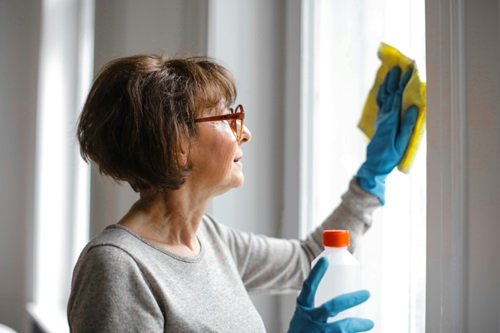
- Keep windows clean inside and out
For spaces with low natural light, opt for warm LED bulbs that mimic sunlight.
6. Reduce Noise Pollution
Constant noise—whether from traffic, electronics, or loud appliances—can increase stress levels, reduce sleep quality, and make it harder to concentrate.
How to reduce noise:
- Use rugs and curtains to absorb sound
- Add weather stripping to doors and windows
- Create quiet zones where family members can read, study, or relax
- Limit loud TV or music during evening hours
If you live in a noisy neighborhood, consider using noise-canceling machines or soft background music to mask disruptive sounds.
7. Create a Safe and Hazard-Free Environment
Safety should always be a priority—especially if you have children or elderly family members.
Essential home safety checks:
- Install smoke and carbon monoxide detectors
- Cover electrical outlets
- Keep cleaning products and medicines out of reach
- Secure heavy furniture to prevent tipping
- Ensure floors are free of tripping hazards like loose cables or slippery rugs
Regularly inspect your home for hazards, especially as kids grow and their needs change.
8. Encourage Healthy Eating With a Nutritious Kitchen
A healthy lifestyle starts with healthy eating, and your kitchen plays a major role. Make nutritious options easy to access so your family naturally makes better choices.
How to create a wellness-focused kitchen:
- Stock fruits, vegetables, nuts, and whole grains
- Keep unhealthy snacks out of sight or minimize purchasing them
- Prepare weekly meal plans
- Involve kids in cooking to teach positive habits early
Pro tip:
Use clear glass containers so healthy foods look visually appealing and are easy to grab.
9. Promote Emotional Well-Being and Family Connection
A healthy home environment is not just physical—it’s also emotional. Homes should feel safe, loving, and supportive.
Ways to support emotional health at home:
- Create a regular family mealtime without screens
- Encourage open communication and active listening
- Designate screen-free zones to promote interaction
- Set aside time for family activities, games, or outdoor walks
- Provide personal spaces where each family member can relax
A positive emotional atmosphere strengthens family bonds and helps reduce stress.
10. Encourage Physical Activity at Home
Physical movement is vital for overall health, but busy schedules and screen time often limit activity levels. By integrating simple exercise opportunities at home, you can help your family stay active.
Ideas to promote movement:
- Create a small exercise corner with mats or simple equipment
- Play music and have dance breaks with kids
- Do quick stretching routines together in the morning
- Spend time gardening, cleaning, or organizing as physical activities
- Encourage outdoor play whenever possible
Regular movement reduces the risk of chronic disease, improves mood, and boosts energy levels.

Conclusion
A healthy home environment doesn’t happen overnight—it’s a combination of mindful choices and consistent habits. From improving air quality and promoting emotional wellness to encouraging physical activity and creating sleep-friendly spaces, each step contributes to a happier, healthier lifestyle for your family.
By implementing even a few of these 10 practices, you’ll notice improvements in mood, productivity, cleanliness, and overall well-being. Your home becomes more than just a living space—it becomes a sanctuary where your family can thrive physically, mentally, and emotionally.
Also Read: Silent Walks: Why Gen Z Is Ditching Headphones for Mindful Mornings in 2025 | What is 75 hard challenge? | HOW YOGA BENEFITS YOU IN EVERYDAY LIFE | WHAT IS CARB CYCLE – FAST FAT BURNING PROCESS! | Fittheories | 10 Powerful Reasons Why Outdoor Sports Are Essential for Family Bonding
Frequently Asked Questions
What aspects of my home environment most affect my wellbeing?
Light exposure, air quality, noise levels, temperature, cleanliness, and organization all significantly impact mental and physical health. Optimizing even a few of these elements can improve sleep, mood, focus, and overall wellbeing.
How can I improve the air quality in my home?
Open windows daily, use air purifiers with HEPA filters, add indoor plants that absorb toxins, and maintain proper humidity levels between 40-50 percent. Reducing chemical products and choosing natural cleaners also improves indoor air quality.
What’s the best way to get natural light in my home for better health?
Open curtains and blinds during the day, position your workspace near windows, and spend time in your home’s brightest areas, especially in the morning. If natural light is limited, full-spectrum bulbs can partially mimic daylight benefits.
How does home organization affect my mental health and wellbeing?
Clutter and disorganization increase stress and anxiety while reducing focus and peace of mind. Creating organized, tidy spaces supports better sleep, reduced cortisol levels, and improved mental clarity.
What temperature and humidity levels are healthiest for my home?
Aim for temperatures between 68-72 degrees Fahrenheit and humidity levels between 40-50 percent for optimal health and comfort. These ranges support quality sleep, reduce mold growth, and minimize respiratory irritation.