Inflammation is the body’s natural defense mechanism, helping us heal from injuries and fight infections. However, when inflammation becomes chronic—lasting months or even years—it can contribute to numerous health concerns. Many people experience ongoing inflammation without realizing it, leading to symptoms such as fatigue, joint discomfort, digestive issues, weight changes, or recurring headaches.
An anti-inflammatory diet has become increasingly popular as a natural way to support better overall wellness. But is it the right approach for you? That depends on your lifestyle, health goals, and your current eating habits. This guide breaks down what the diet involves and provides a clear list of 12 foods to avoid and 12 foods to add to your plate so you can make an informed choice.
What Is an Anti-Inflammatory Diet?
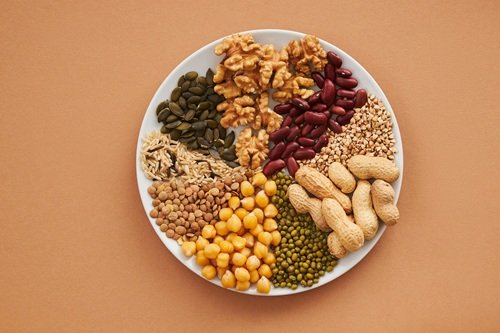
An anti-inflammatory diet focuses on foods that help calm the body’s inflammatory response. Instead of being a strict weight-loss program, it’s more of a long-term lifestyle approach. The diet includes nutrient-dense whole foods, antioxidants, healthy fats, lean proteins, and fiber-rich choices.
It typically emphasizes:
- Colorful fruits and vegetables
- Omega-3 rich foods like salmon and walnuts
- Whole grains such as quinoa or oats
- Lean proteins
- Herbs and spices
- Healthy fats like olive oil or avocado
The goal is simple: to reduce chronic inflammation naturally and support overall health.
Signs an Anti-Inflammatory Diet May Be Right for You
While only a healthcare provider can address medical concerns, many people adopt an anti-inflammatory diet for general wellness. People often consider this diet if they:
- Feel bloated or sluggish after eating certain foods
- Experience frequent digestive discomfort
- Notice joint stiffness or general body aches
- Want more energy and balanced eating habits
- Aim to maintain a healthy lifestyle
- Prefer a diet rich in whole foods instead of processed meals
Even if you don’t have chronic inflammation, an anti-inflammatory diet can still support balanced nutrition, stable energy, and better long-term well-being.
12 Foods to Avoid on an Anti-Inflammatory Diet
While you don’t need to eliminate these foods completely, reducing them can help support a less inflammatory lifestyle.
1. Processed Meats
Items like bacon, sausage, pepperoni, and hot dogs often contain preservatives and high sodium levels that may contribute to inflammation.
2. Sugary Beverages
Sodas, sweet teas, and energy drinks deliver large amounts of sugar with little nutritional value, which can contribute to blood sugar spikes.
3. Refined Carbohydrates
White bread, pastries, and other refined grains are quick-digesting and may cause energy crashes or imbalanced eating habits.
4. Deep-Fried Foods
French fries, fried chicken, and similar foods typically contain unhealthy fats and oils that are heated at high temperatures.

5. Artificial Trans Fats
Found in some packaged snacks, margarine, and processed baked goods, trans fats are often linked to inflammation concerns.
6. Excessive Alcohol
While occasional alcohol consumption can fit into many lifestyles, frequent or heavy drinking can contribute to inflammation.
7. High-Sugar Snacks
Cookies, candies, and ice cream offer quick sugar spikes and little fiber or protein to balance them out.
8. Fast Food
Burgers, fries, and reheated oils in fast-food items may contain additives and fats that don’t support an anti-inflammatory lifestyle.
9. Highly Processed Snacks
Chips, crackers, and packaged snack cakes often contain refined grains, added sugars, and artificial ingredients.
10. Certain Vegetable Oils
Oils like corn, soybean, and sunflower oil can be high in omega-6 fatty acids, which may become imbalanced when consumed excessively.
11. High-Sodium Foods
Canned soups, packaged noodles, and salty snacks can contribute to bloating and water retention.
12. Sweetened Breakfast Cereals
Many cereals marketed as “healthy” are loaded with sugar. This can lead to energy crashes and cravings throughout the day.
Also Read: Telehealth and Digital Health Apps: 5 Reasons Virtual Care Is Growing Faster Than Ever | 5 powerful Minimalist Living Tips for a Stress-Free Life | 5 Easy Ways to Declutter Your Home and Boost Your Mental Clarity | Sustainable Lifestyle 2025
12 Anti-Inflammatory Foods to Add to Your Plate
Adding nutrient-dense foods can help support your body’s natural balance.
1. Leafy Greens
Spinach, kale, and Swiss chard are rich in vitamins, minerals, and antioxidants.
2. Berries
Blueberries, raspberries, and strawberries are packed with antioxidants known for supporting cellular health.
3. Fatty Fish
Salmon, sardines, and mackerel provide omega-3 fatty acids that play a role in supporting balanced inflammation levels.
4. Extra Virgin Olive Oil
A cornerstone of the Mediterranean diet, olive oil is rich in monounsaturated fats and antioxidants.
5. Nuts and Seeds
Almonds, walnuts, chia seeds, and flaxseeds contain healthy fats, vitamins, and fiber.
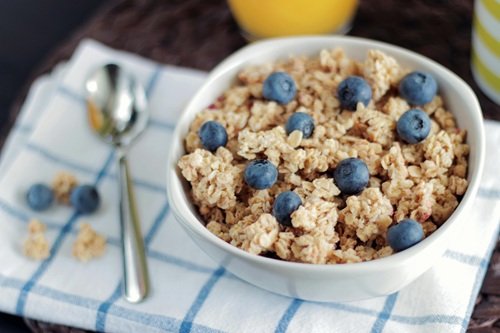
6. Whole Grains
Oats, quinoa, and brown rice offer slow, steady energy thanks to their fiber content.
7. Turmeric
Curcumin, the active compound in turmeric, is widely recognized for its natural anti-inflammatory properties.
8. Ginger
Ginger adds flavor to meals and is often used to support digestion and overall comfort.
9. Avocados
Full of healthy fats, potassium, and fiber, avocados support overall wellness and balanced nutrition.
10. Tomatoes
Tomatoes are rich in lycopene, a powerful antioxidant, especially when cooked.
11. Green Tea
Green tea contains antioxidants known for their wellness-supporting qualities.
12. Beans and Legumes
Lentils, chickpeas, and black beans offer protein, fiber, and slow-digesting carbohydrates.
How to Start an Anti-Inflammatory Diet
If the diet seems right for you, here’s how to get started without feeling overwhelmed:
1. Make Gradual Changes
Start by adding a few anti-inflammatory foods instead of removing everything at once.
2. Fill Half Your Plate With Color
Focus on vegetables and fruits, especially those rich in antioxidants.
3. Use Healthy Fats
Switch from vegetable oils to olive oil or avocado oil in your cooking.
4. Limit Packaged Foods
Whenever possible, use whole-food ingredients to prepare meals at home.
5. Stay Hydrated
Water, herbal teas, and infused water can help support digestion and overall well-being.
6. Mind Your Portions
You don’t need to restrict calories—just choose nutrient-dense foods most of the time.
Potential Benefits of an Anti-Inflammatory Diet
While outcomes vary for everyone, many people choose this diet for general wellness. Some commonly reported benefits include:
- Feeling more energetic
- Improved digestion
- More stable energy throughout the day
- Better food awareness and mindful eating
- A more balanced lifestyle overall
These changes often come from eating more whole foods, drinking more water, and reducing overly processed snacks.
Is the Anti-Inflammatory Diet Right for You?
Ultimately, an anti-inflammatory diet is a flexible, balanced way of eating that focuses on whole, nutrient-rich foods. It may be a good fit if you want to:
- Support overall health
- Feel more energized
- Avoid overly processed foods
- Adopt long-term healthy eating habits
You don’t need to follow the diet perfectly. Even small changes—like adding leafy greens to your meals or replacing sugary drinks with water—can help support your wellness journey.
Final Thoughts
Choosing whether an anti-inflammatory diet is right for you depends on your goals, preferences, and lifestyle. With its emphasis on whole foods, vibrant vegetables, healthy fats, and mindful eating, this approach offers a sustainable path to better overall well-being. By avoiding highly processed foods and incorporating nutrient-rich choices, you can support your body’s natural balance and feel your best.
Also Read: Silent Walks: Why Gen Z Is Ditching Headphones for Mindful Mornings in 2025 | What is 75 hard challenge? | HOW YOGA BENEFITS YOU IN EVERYDAY LIFE | WHAT IS CARB CYCLE – FAST FAT BURNING PROCESS! | Fittheories
Frequently Asked Questions
What foods should I eat to reduce inflammation in my body?
Prioritize fatty fish, berries, leafy greens, nuts, olive oil, turmeric, and ginger, which all contain compounds that reduce inflammation. Whole grains and colorful vegetables also provide anti-inflammatory fiber and phytonutrients.
What foods cause inflammation and should I avoid them?
Limit processed foods, refined sugars, refined grains, vegetable oils, and excessive red meat, which are associated with increased inflammation. Alcohol and trans fats should also be minimized for an anti-inflammatory diet.
How long does it take to see results from an anti-inflammatory diet?
Many people feel improvements in energy and reduced joint pain within 2-4 weeks, while more significant changes in inflammatory markers may take 8-12 weeks. Consistency matters more than perfection for seeing sustained benefits.
Can an anti-inflammatory diet help with specific health conditions?
Anti-inflammatory eating may help manage conditions like arthritis, heart disease, diabetes, and inflammatory bowel diseases, though it should complement medical treatment. Always consult your healthcare provider before making major dietary changes for health conditions.
Is an anti-inflammatory diet expensive or hard to follow?
No, an anti-inflammatory diet uses affordable whole foods like beans, frozen vegetables, and seasonal produce, making it accessible and sustainable. Simple meal prep with anti-inflammatory ingredients makes following this approach straightforward.