Calisthenics is one of the most effective and accessible forms of exercise for beginners who want to build strength, improve flexibility, and enhance overall fitness—without needing any equipment. Whether you’re working out at home, in a park, or while traveling, calisthenics allows you to use your own body weight as resistance. This makes it ideal for people just starting their fitness journey.
In this beginner’s guide, you’ll learn what calisthenics is, its benefits, and 7 proven ways to build strength using no equipment. By the end of this article, you’ll have a clear roadmap to start calisthenics safely and effectively.
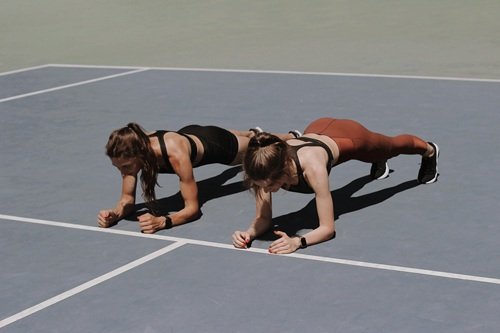
What Is Calisthenics?
Calisthenics is a form of strength training that uses bodyweight movements such as push-ups, squats, pull-ups, and planks. The word “calisthenics” comes from the Greek words kallos (beauty) and sthenos (strength), highlighting the goal of building strength and graceful movement.
Unlike traditional weightlifting, calisthenics focuses on:
- Functional strength
- Muscle control
- Balance and coordination
For beginners, calisthenics is especially beneficial because exercises can be easily modified to match any fitness level.
Why Calisthenics Is Perfect for Beginners
Calisthenics is beginner-friendly for several reasons:
1. No Equipment Needed
You don’t need dumbbells, machines, or a gym membership. Your body is your gym.
2. Low Cost
Calisthenics is free, making it perfect for anyone on a budget.
3. Scalable Exercises
Every movement has easier and harder variations, allowing beginners to progress safely.
4. Improves Overall Fitness
Calisthenics improves strength, endurance, mobility, posture, and flexibility at the same time.
5. Reduces Injury Risk
Since you use natural body movements, calisthenics is generally safer than heavy weight training.

7 Proven Ways to Build Strength With No Equipment
1. Master the Basics of Bodyweight Exercises
The foundation of calisthenics lies in mastering basic movements. Beginners should focus on these core exercises:
- Push-ups – Build chest, shoulders, arms, and core
- Squats – Strengthen legs and glutes
- Lunges – Improve balance and lower-body strength
- Planks – Strengthen core and improve posture
- Glute bridges – Activate glutes and lower back
Start with slow, controlled movements and focus on proper form. Quality repetitions are more important than quantity.
Beginner Tip:
If standard push-ups are too difficult, start with knee push-ups or incline push-ups against a wall.
Also Read: Silent Walks: Why Gen Z Is Ditching Headphones for Mindful Mornings in 2025 | What is 75 hard challenge? | HOW YOGA BENEFITS YOU IN EVERYDAY LIFE | WHAT IS CARB CYCLE – FAST FAT BURNING PROCESS! | Fittheories
2. Focus on Proper Form and Technique
One of the biggest mistakes beginners make is rushing through exercises. Proper form ensures:
- Better muscle activation
- Faster strength gains
- Reduced risk of injury
For example:
- Keep your core tight during push-ups
- Maintain a neutral spine during squats
- Avoid locking your joints
Perform exercises in front of a mirror or record yourself to check form.
3. Use Progressive Overload Without Weights
Progressive overload means gradually increasing the difficulty of exercises. Even without equipment, you can apply this principle by:
- Increasing repetitions
- Adding more sets
- Slowing down the tempo
- Trying harder exercise variations
Example Progression for Push-ups:
- Wall push-ups
- Knee push-ups
- Standard push-ups
- Decline push-ups
This method helps you build strength steadily without overwhelming your body.
4. Create a Consistent Workout Routine
Consistency is key in calisthenics. A beginner-friendly routine might look like this:
3–4 Days Per Week Full-Body Routine
- Push-ups – 3 sets of 8–12
- Squats – 3 sets of 12–15
- Plank – 3 sets of 20–40 seconds
- Lunges – 3 sets of 8 per leg
- Glute bridges – 3 sets of 12
Rest at least one day between workouts to allow muscle recovery.
SEO Tip: Search engines favor content that promotes safe and consistent fitness habits, which improves trust and authority.
5. Train Your Core for Total Body Strength
Core strength is essential in calisthenics. A strong core improves balance, posture, and overall performance.
Beginner-friendly core exercises include:
- Planks
- Dead bugs
- Leg raises (bent knees)
- Mountain climbers
Your core is involved in almost every calisthenics movement, so strengthening it will make all other exercises easier.

6. Prioritize Rest and Recovery
Many beginners believe that training every day leads to faster results. In reality, muscles grow during rest, not during workouts.
To recover properly:
- Sleep 7–9 hours per night
- Take rest days
- Stretch after workouts
- Stay hydrated
Overtraining can lead to fatigue, soreness, and injuries, which slow progress.
7. Maintain Proper Nutrition for Strength Gains
While calisthenics requires no equipment, it still requires proper fuel. Nutrition plays a huge role in strength development.
Beginner Nutrition Tips:
- Eat enough protein (eggs, beans, chicken, yogurt)
- Include complex carbohydrates (rice, oats, fruits)
- Consume healthy fats (nuts, seeds, olive oil)
- Drink plenty of water
You don’t need supplements to start calisthenics. Whole foods are more than enough for beginners.
Common Mistakes Beginners Should Avoid
- Skipping warm-ups
- Poor exercise form
- Inconsistent training
- Ignoring rest days
- Comparing progress to others
Calisthenics is a personal journey. Focus on steady improvement rather than perfection.
Sample Beginner Calisthenics Workout Plan
Warm-up (5 minutes):
- Jumping jacks
- Arm circles
- Bodyweight squats
Workout:
- Push-ups – 3 × 10
- Squats – 3 × 15
- Plank – 3 × 30 seconds
- Lunges – 3 × 8 per leg
Cool-down:
- Light stretching
- Deep breathing
This routine is perfect for beginners and can be done anywhere.
Final Thoughts
Calisthenics is one of the best ways for beginners to build strength without equipment. By focusing on basic exercises, maintaining proper form, progressing gradually, and staying consistent, anyone can achieve impressive strength and fitness results.
The 7 proven ways discussed in this guide provide a solid foundation for starting calisthenics safely and effectively. Whether your goal is weight loss, muscle building, or general fitness, calisthenics offers a simple and sustainable path forward.
Start today, stay patient, and let your body become your strongest tool.
Also Read: Is an Anti-Inflammatory Diet Right for You? 12 Foods to Avoid and 12 to Add to Your Plate | Telehealth and Digital Health Apps: 5 Reasons Virtual Care Is Growing Faster Than Ever | 5 powerful Minimalist Living Tips for a Stress-Free Life | 5 Easy Ways to Declutter Your Home and Boost Your Mental Clarity | Sustainable Lifestyle 2025
Frequently Asked Questions
Do I need a gym membership or equipment to do calisthenics?
No, calisthenics uses only your body weight, so you need no equipment or gym membership to get started. You can do effective workouts in your home, park, or any space using just your bodyweight.
What calisthenics exercises are best for complete beginners?
Start with foundational movements like wall push-ups, modified squats, planks against a wall, and basic lunges to build initial strength. Progress to regular push-ups, standard squats, and full planks as you gain confidence and strength.
How often should I do calisthenics workouts as a beginner?
Begin with 3 sessions per week with at least one rest day between workouts to allow muscle recovery. As you progress, you can increase to 4-5 sessions weekly, alternating between upper body, lower body, and full-body focused days.
Can I build significant muscle with calisthenics alone?
Yes, calisthenics can build substantial muscle when combined with progressive overload, proper nutrition, and consistency over time. Progressively advancing to harder variations like pistol squats or one-armed push-ups provides continued muscle-building stimulus.
How long before I see results from calisthenics training?
You may feel stronger and notice improved endurance within 2-3 weeks, while visible muscle gains typically appear after 6-8 weeks of consistent training. Results depend on your starting fitness level, diet quality, and workout consistency.