Kidney disease is often called a “silent killer” — and for a powerful reason. Nearly 9 out of 10 people with early-stage chronic kidney disease don’t even know they have it. There are no dramatic alarms, no immediate pain, and often no obvious red flags — until serious damage has already occurred.
That’s why global awareness advocates, including Sofia Vergara, have helped spotlight a critical message: early detection can be life-saving.
Kidney health isn’t just a medical topic — it’s a preventive health priority. In this in-depth guide, you’ll discover the 7 silent warning signs of kidney disease, the shocking risk factors you can’t ignore, and 10 powerful ways to protect your kidneys naturally.
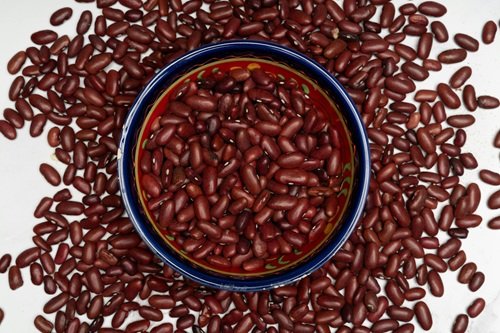
Why Kidney Health Is More Important Than You Realize
Your kidneys are two small, bean-shaped organs — but their impact on your body is enormous. Every single day, your kidneys:
- Filter around 50 gallons of blood
- Remove toxins and waste
- Balance fluids and electrolytes
- Regulate blood pressure
- Support bone health
- Help produce red blood cells
When kidney function declines, toxins build up quietly. Over time, this can lead to chronic kidney disease (CKD), heart problems, nerve damage, and even kidney failure.
The most dangerous part? Early kidney disease is almost always symptom-free.
7 Silent Warning Signs of Kidney Disease You Should Never Ignore
Even though early kidney disease can be quiet, your body may send subtle signals. Recognizing these early warning signs could dramatically improve outcomes.
1. Sudden Changes in Urination Patterns
Your urine is one of the most powerful indicators of kidney health.
Watch for:
- Foamy or bubbly urine (a red flag for protein leakage)
- Blood in urine
- Frequent nighttime urination
- Decreased urine output
- Dark, cloudy, or unusually strong-smelling urine
Persistent changes should never be dismissed as “just dehydration.”
2. Extreme Fatigue That Feels Unexplained
If you feel constantly drained — even after proper rest — your kidneys may not be filtering toxins effectively.
As kidney function declines:
- Waste builds up in the bloodstream
- Oxygen levels may drop due to anemia
- Energy levels crash
Chronic exhaustion is one of the most overlooked early kidney disease symptoms.
3. Swelling in Feet, Ankles, Hands, or Face
Healthy kidneys remove excess fluid. Damaged kidneys allow fluid retention.
This may cause:
- Puffy eyes in the morning
- Swollen ankles
- Tight shoes suddenly feeling uncomfortable
- Unexplained facial puffiness
Swelling is a powerful early warning sign that should be evaluated immediately.
4. Persistent Itchy or Dry Skin
Kidneys regulate minerals and nutrients in your bloodstream. When they malfunction, imbalances can lead to:
- Intense itching
- Dry, flaky skin
- Skin irritation that doesn’t improve
Many people treat this symptom as a dermatological issue — when it may actually be kidney-related.
5. Muscle Cramps and Weakness
Electrolyte imbalances — especially low calcium or abnormal phosphorus levels — can trigger:
- Painful muscle cramps
- Leg spasms at night
- Weakness during routine activity
Frequent cramps may signal something deeper than simple dehydration.
6. Shortness of Breath
This symptom can be alarming.
When kidneys fail to remove fluid properly, it can accumulate:
- Around the lungs
- In the bloodstream (due to anemia)
If you experience unexplained breathlessness, especially combined with swelling or fatigue, seek medical attention immediately.
7. Difficulty Concentrating or Brain Fog
Toxin buildup in the bloodstream may affect cognitive clarity.
Common signs include:
- Trouble focusing
- Memory lapses
- Confusion
- Decreased alertness
Mental fog isn’t always stress — it can be a silent kidney health warning.
What Causes Chronic Kidney Disease? 6 Major Risk Factors
Understanding the causes empowers prevention.
The most common risk factors include:
- Diabetes (Leading Cause Worldwide)
- High Blood Pressure
- Heart disease
- Obesity
- Family history of kidney failure
- Smoking
If you have diabetes or hypertension, your risk increases significantly — even if you feel perfectly healthy.

Also Read: Is an Anti-Inflammatory Diet Right for You? 12 Foods to Avoid and 12 to Add to Your Plate | Telehealth and Digital Health Apps: 5 Reasons Virtual Care Is Growing Faster Than Ever | 5 powerful Minimalist Living Tips for a Stress-Free Life | 5 Easy Ways to Declutter Your Home and Boost Your Mental Clarity | Sustainable Lifestyle 2026
The Powerful Importance of Early Kidney Testing
One of the most urgent messages promoted in kidney health campaigns is simple:
Test before symptoms appear.
Two essential tests can detect early kidney damage:
1. eGFR Blood Test
Measures how effectively your kidneys filter waste.
2. Urine Albumin-to-Creatinine Ratio (UACR)
Detects protein leakage in urine — an early red flag.
These tests are:
- Quick
- Affordable
- Widely available
- Often included in routine physical exams
Early detection can slow progression by years — even decades.
10 Powerful Ways to Protect Your Kidney Health Naturally
Prevention is not complicated — but it requires consistency.
Here are 10 science-backed strategies:
1. Control Your Blood Pressure Aggressively
High blood pressure damages tiny blood vessels in the kidneys. Keep it within recommended levels.
2. Manage Blood Sugar Levels
If you have diabetes, tight glucose control dramatically reduces kidney damage risk.
3. Stay Properly Hydrated
Water supports efficient toxin removal. Avoid excessive sugary drinks.
4. Reduce Sodium Intake
Too much salt increases blood pressure and kidney strain.
5. Maintain a Healthy Weight
Obesity significantly increases kidney disease risk.
6. Limit Processed Foods
Processed foods are often loaded with sodium and phosphorus additives.
7. Avoid Overusing Painkillers
Long-term use of NSAIDs can silently damage kidney tissue.
8. Quit Smoking Immediately
Smoking reduces kidney blood flow and accelerates damage.
9. Exercise at Least 150 Minutes Weekly
Regular movement supports heart and kidney health.
10. Get Annual Kidney Screenings
Especially if you’re over 60 or have risk factors.
The Shocking Connection Between Heart Health and Kidney Health
Your heart and kidneys work as a powerful team.
When kidneys fail to regulate blood pressure and fluid levels, your heart works harder. Conversely, heart disease can reduce blood flow to the kidneys.
Protecting one protects the other.
Who Should Get Tested Immediately?
You should prioritize kidney screening if you:
- Have diabetes
- Have high blood pressure
- Have heart disease
- Have a family history of kidney failure
- Are over age 60
- Are overweight
- Smoke
Even without symptoms, testing provides peace of mind and early intervention.
When to Seek Emergency Medical Attention
Seek urgent care if you experience:
- Blood in urine
- Severe swelling
- Chest pain
- Persistent shortness of breath
- Sudden decrease in urination
These may signal advanced kidney failure or dangerous complications.
The Bottom Line: Don’t Ignore the Silent Signals
Kidney disease is dangerous precisely because it hides.
But knowledge is powerful.
Recognizing the 7 silent warning signs, understanding your risk factors, and taking preventive action today can dramatically reduce your risk of chronic kidney disease.
Your kidneys work 24/7 to protect you.
Isn’t it time you protect them back?
Also Read: H3N2 Clade K: Symptoms, Duration, and the Best Recovery Protocol for This Winter | Silent Walks: Why Gen Z Is Ditching Headphones for Mindful Mornings in 2026 | What is 75 hard challenge? | HOW YOGA BENEFITS YOU IN EVERYDAY LIFE | WHAT IS CARB CYCLE – FAST FAT BURNING PROCESS! | Fittheories
Frequently Asked Questions
What are the early warning signs of kidney disease?
Common early signs include fatigue, weakness, swelling in the legs or ankles, changes in urination patterns, high blood pressure, and persistent back or side pain. Many people do not experience symptoms until kidney disease is advanced, making regular screening important.
Why is kidney disease often called a silent disease?
Because kidneys are highly adaptable, early-stage disease rarely causes noticeable symptoms. Many people do not realize they have kidney disease until significant function is already lost, which is why screening is critical for at-risk populations.
Who is at highest risk for developing kidney disease?
People with diabetes, high blood pressure, a family history of kidney disease, those over 60, or from certain ethnic backgrounds have elevated risk. Regular screening is particularly important for these groups.
Can kidney disease be reversed or slowed?
While some kidney damage cannot be reversed, early detection and management of underlying causes like diabetes or hypertension can significantly slow disease progression. Lifestyle changes and medication adherence are critical.
What lifestyle changes help protect kidney health?
Maintain healthy blood pressure, manage blood sugar, reduce sodium and processed foods, stay hydrated, exercise regularly, maintain a healthy weight, and limit alcohol. These habits protect kidneys from damage and slow disease progression.