Fitness is not one-size-fits-all, especially for women. Hormonal fluctuations throughout the menstrual cycle significantly affect energy levels, strength, endurance, mood, and recovery. Understanding how to align your workouts with your menstrual cycle can lead to better performance, fewer injuries, improved consistency, and a healthier relationship with exercise.
The 28-day fitness plan synced with the menstrual cycle is a science-backed approach that helps women work with their bodies rather than against them. In this article, we’ll explore how each phase of the menstrual cycle impacts fitness and how to structure workouts for optimal results.
Understanding the Menstrual Cycle and Fitness
A typical menstrual cycle lasts around 28 days, though it can range from 21 to 35 days. The cycle is divided into four main phases:
- Menstrual Phase
- Follicular Phase
- Ovulatory Phase
- Luteal Phase
Each phase brings hormonal shifts, mainly involving estrogen and progesterone, which influence metabolism, muscle growth, endurance, and recovery.
By syncing your workouts with these phases, you can maximize strength gains, improve fat loss, and reduce burnout.

Phase 1: Menstrual Phase (Days 1–5)
What’s Happening in Your Body
This phase begins on the first day of your period. Hormone levels, particularly estrogen and progesterone, are at their lowest. You may feel tired, bloated, or experience cramps and lower motivation.
Best Workouts for the Menstrual Phase
During this phase, your body benefits from restorative and low-impact exercises.
Recommended activities:
- Gentle yoga
- Walking
- Stretching or mobility work
- Light Pilates
- Deep breathing exercises
Fitness Tips
- Focus on movement, not intensity
- Keep workouts short (20–30 minutes)
- Prioritize hydration and iron-rich foods
What to Avoid
- High-intensity interval training (HIIT)
- Heavy lifting
- Long endurance workouts
Listening to your body during this phase is essential. Rest is not weakness—it’s part of progress.
Phase 2: Follicular Phase (Days 6–13)
What’s Happening in Your Body
After your period ends, estrogen begins to rise. Energy levels improve, coordination increases, and your body becomes more responsive to strength and skill development.
Best Workouts for the Follicular Phase
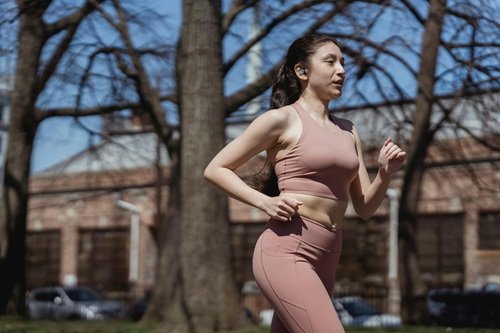
This is the perfect time to build strength, learn new movements, and increase workout intensity.
Recommended activities:
- Strength training
- HIIT workouts
- Dance workouts
- Running or cycling
- Skill-based training
Fitness Benefits
- Faster muscle recovery
- Increased motivation
- Improved focus and coordination
Training Strategy
- Increase weights gradually
- Try new fitness routines
- Train 4–5 days per week
This phase is ideal for setting fitness goals and pushing beyond comfort zones.
Phase 3: Ovulatory Phase (Days 14–16)
What’s Happening in Your Body
Ovulation marks the peak of estrogen levels. Strength, confidence, endurance, and reaction time are at their highest. This is when your body performs at its best.
Best Workouts for the Ovulatory Phase
This is the time to go all out.
Recommended activities:
- Heavy weightlifting
- Sprinting
- HIIT and bootcamp workouts
- Competitive sports
- High-energy cardio
Performance Advantages
- Maximum strength output
- Improved muscle power
- Enhanced stamina
Safety Tip
Estrogen increases joint flexibility, which may slightly raise injury risk. Always warm up properly and focus on correct form.
Also Read: Is an Anti-Inflammatory Diet Right for You? 12 Foods to Avoid and 12 to Add to Your Plate | Telehealth and Digital Health Apps: 5 Reasons Virtual Care Is Growing Faster Than Ever | 5 powerful Minimalist Living Tips for a Stress-Free Life | 5 Easy Ways to Declutter Your Home and Boost Your Mental Clarity | Sustainable Lifestyle 2025
Phase 4: Luteal Phase (Days 17–28)
What’s Happening in Your Body
Progesterone rises, and estrogen drops. Energy levels begin to decline, and PMS symptoms such as bloating, fatigue, and mood changes may appear.
Best Workouts for the Luteal Phase
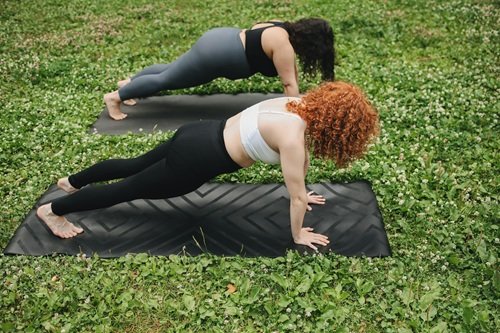
This phase is best for moderate and steady workouts.
Recommended activities:
- Low-impact cardio
- Barre or Pilates
- Swimming
- Light strength training
- Yoga or stretching
Training Strategy
- Reduce workout intensity gradually
- Focus on consistency over performance
- Allow more recovery time
Nutrition & Recovery Tips
- Increase protein intake
- Prioritize sleep
- Reduce caffeine and excessive sugar
The luteal phase is about maintaining momentum while honoring your body’s needs.
Weekly Breakdown of the 28-Day Fitness Plan
Week 1: Rest and Restore
- Focus: Recovery and gentle movement
- Intensity: Very low
- Goal: Reduce inflammation and support healing
Week 2: Build and Train
- Focus: Strength and skill development
- Intensity: Moderate to high
- Goal: Build muscle and improve endurance
Week 3: Peak Performance
- Focus: Power and intensity
- Intensity: High
- Goal: Maximize fitness gains
Week 4: Maintain and Slow Down
- Focus: Balance and recovery
- Intensity: Moderate to low
- Goal: Prevent burnout and support hormones
Benefits of Syncing Workouts with Your Menstrual Cycle
- Improved workout performance
- Reduced fatigue and burnout
- Better hormone balance
- Lower injury risk
- Increased workout consistency
- Healthier mindset around fitness
This method encourages sustainable fitness rather than forcing the same routine every day of the month.
Common Mistakes to Avoid
- Ignoring fatigue signals
- Training at high intensity all month
- Feeling guilty for resting
- Comparing workouts across different cycle phases
Your strength on day 14 should not be compared to day 2—and that’s perfectly normal.
Is Cycle Syncing Right for Everyone?
Cycle-based training is especially beneficial for:
- Women with regular menstrual cycles
- Beginners looking for balance
- Those experiencing burnout or hormonal imbalances
If you are pregnant, postpartum, or have medical conditions such as PCOS or endometriosis, consult a healthcare professional before making changes.

Final Thoughts
The 28-Day Fitness Plan synced with the menstrual cycle empowers women to train smarter, not harder. By aligning workouts with natural hormonal rhythms, fitness becomes more intuitive, enjoyable, and effective.
Instead of fighting your body, you learn to support it—leading to long-term results, improved health, and a more sustainable fitness lifestyle.
Your cycle is not a limitation; it’s a powerful guide.
Also Read: H3N2 Clade K: Symptoms, Duration, and the Best Recovery Protocol for This Winter | Silent Walks: Why Gen Z Is Ditching Headphones for Mindful Mornings in 2025 | What is 75 hard challenge? | HOW YOGA BENEFITS YOU IN EVERYDAY LIFE | WHAT IS CARB CYCLE – FAST FAT BURNING PROCESS! | Fittheories
Frequently Asked Questions
How does my menstrual cycle affect my workout performance?
Your hormonal fluctuations throughout your cycle can influence energy levels, strength, and endurance, with most people experiencing peak performance during the follicular phase and requiring more recovery during the luteal phase. Understanding these patterns helps you train smarter and avoid overtraining during lower-energy phases.
Should I change my workouts based on which phase of my cycle I’m in?
Yes, adjusting workout intensity and type can optimize results and reduce injury risk. During the follicular phase (days 1-14), you may have more energy for high-intensity training, while the luteal phase (days 15-28) is better suited for moderate intensity and more recovery-focused activities.
Can syncing my fitness routine to my cycle help with weight loss?
Syncing your training to your cycle can support weight management by optimizing when your body burns calories most efficiently and aligning your workouts with your energy levels. This approach may reduce injury risk and improve adherence to your fitness routine.
What if my cycle is irregular or I’m on hormonal birth control?
You can still benefit from cycle syncing by tracking your energy and mood patterns or using your pill pack timeline instead of your natural cycle. Some hormonal contraceptives suppress natural hormone fluctuations, so you may notice fewer performance variations.
Do I need special equipment or supplements to do cycle-synced workouts?
No, cycle syncing works with any workout you already do and doesn’t require special equipment or supplements. The key is adjusting the intensity and type of exercise you do rather than investing in new gear.