For years, fitness technology has revolved around one simple metric: steps. From early pedometers to advanced smartwatches, the goal was clear—move more. But in 2026, counting steps is no longer enough. The fitness world is undergoing a powerful transformation driven by agentic AI—a new generation of artificial intelligence that doesn’t just track your activity but actively plans, adapts, and optimizes your entire health journey.
Welcome to the era beyond the step count, where your fitness routine is intelligently designed, dynamically adjusted, and deeply personalized.
What Is Agentic AI in Fitness?
Agentic AI refers to artificial intelligence systems that act as autonomous agents. Unlike traditional fitness apps that simply collect data, agentic AI systems:
- Set goals based on your long-term health profile
- Analyze patterns in sleep, stress, nutrition, and movement
- Adapt workouts in real-time
- Provide proactive coaching and accountability
- Make decisions aligned with your personal objectives
Instead of passively reporting that you walked 7,842 steps today, agentic AI might suggest:
- A mobility session to offset prolonged sitting
- A shorter high-intensity workout due to poor sleep
- A recovery-focused routine after detecting muscle fatigue
This evolution is powered by advanced AI systems like OpenAI, Google DeepMind, and Anthropic, whose innovations in autonomous reasoning and decision-making are shaping next-generation health platforms.
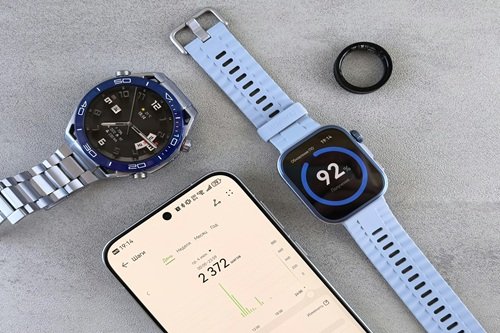
Why Step Counting Is No Longer Enough
Step tracking was revolutionary when it first became mainstream through devices like Fitbit and later the Apple Watch. It encouraged movement and helped millions build awareness of their daily activity.
However, step counts alone fail to account for:
- Workout intensity
- Muscle engagement
- Recovery needs
- Hormonal fluctuations
- Stress and mental fatigue
- Nutritional timing
- Long-term progression
In 2026, fitness isn’t about hitting 10,000 steps—it’s about optimizing performance, recovery, and longevity. Agentic AI shifts the focus from quantity to intelligent quality.
Hyper-Personalized Workout Planning
One of the most transformative aspects of agentic AI is hyper-personalization.
Traditional fitness programs are static. Even customized plans typically adjust only every few weeks. Agentic AI platforms, on the other hand, analyze real-time data from wearables, smart equipment, and even biometric sensors.
For example, if your resting heart rate is elevated and your sleep score is low, your AI coach may:
- Reduce training intensity
- Prioritize mobility and breathwork
- Suggest hydration strategies
- Reschedule strength sessions
Instead of forcing you to push through fatigue, your AI adapts intelligently—like a world-class trainer who monitors you 24/7.
Real-Time Biometric Feedback and Adaptive Coaching
Modern fitness in 2026 integrates data from:
- Heart rate variability (HRV)
- Blood oxygen levels
- Continuous glucose monitors
- Muscle oxygen sensors
- Smart scales
- Sleep trackers
Devices such as WHOOP and Oura Ring provide granular data. But agentic AI interprets that data holistically.
Instead of just telling you your HRV dropped, it might say:
“Your recovery score indicates nervous system strain. Today’s optimal session is a 30-minute zone 2 cardio workout followed by 10 minutes of mobility.”
This is the difference between data reporting and intelligent decision-making.
Smart Strength Training and Form Correction
Agentic AI is also transforming strength training.
AI-powered cameras and motion sensors analyze:
- Joint angles
- Bar path
- Tempo
- Range of motion
- Muscle activation
Platforms like Tonal and Tempo Studio have pioneered AI-driven home strength training. In 2026, agentic AI takes it further by:
- Automatically adjusting resistance mid-set
- Detecting fatigue patterns
- Suggesting deload weeks
- Preventing overtraining
Your AI doesn’t just count reps—it optimizes each movement for safety and progress.
Nutrition Optimization Through Predictive Intelligence
Fitness is 50% training and 50% nutrition—if not more. Agentic AI integrates dietary tracking, metabolic data, and glucose responses to provide dynamic nutritional guidance.
Instead of generic calorie goals, AI systems:
- Predict energy needs based on planned workouts
- Suggest macro adjustments for muscle gain or fat loss
- Recommend meal timing for performance
- Identify inflammation triggers
If your glucose monitor detects spikes after certain meals, your AI coach may adjust your carb timing around workouts for better energy efficiency.
This level of intelligent nutrition planning was previously available only to elite athletes with dedicated teams.
Mental Fitness and Stress Management Integration
In 2026, physical fitness cannot be separated from mental well-being. Agentic AI systems assess stress levels using HRV patterns, sleep disturbances, and behavioral cues.
If stress is elevated, your AI might:
- Replace HIIT with yoga or mobility
- Schedule guided breathing sessions
- Recommend a walk outdoors instead of a gym session
- Encourage earlier sleep
This holistic approach aligns fitness with longevity, not burnout.
Also Read: H3N2 Clade K: Symptoms, Duration, and the Best Recovery Protocol for This Winter | Silent Walks: Why Gen Z Is Ditching Headphones for Mindful Mornings in 2026 | What is 75 hard challenge? | HOW YOGA BENEFITS YOU IN EVERYDAY LIFE | WHAT IS CARB CYCLE – FAST FAT BURNING PROCESS! | Fittheories
Predictive Injury Prevention
One of the most powerful capabilities of agentic AI is injury prediction.
By analyzing trends such as:
- Declining mobility
- Asymmetrical movement patterns
- Fatigue accumulation
- Training volume spikes
AI systems can flag risk factors before injuries occur.
For example, if knee tracking shows imbalance during squats, your AI may:
- Prescribe corrective exercises
- Reduce load temporarily
- Suggest recovery protocols
This proactive model reduces downtime and protects long-term consistency.
Gamification and Motivation 2.0
While steps once fueled motivation through badges and streaks, agentic AI introduces smarter behavioral psychology.
Instead of generic reminders, AI systems learn:
- When you’re most likely to skip workouts
- What type of motivation works for you
- Which rewards drive consistency
Some systems use conversational AI powered by technologies from OpenAI to simulate human-like coaching interactions. These digital coaches provide encouragement, accountability, and personalized check-ins that feel remarkably real.
Motivation becomes contextual—not robotic.
Integration With Smart Homes and Wearables
Your 2026 fitness routine doesn’t live inside a single app. It connects across:
- Smart mirrors
- Adjustable lighting
- Temperature controls
- Smart kitchens
- Sleep environments
Imagine your AI noticing late-night screen exposure and dimming your lights automatically. Or adjusting your bedroom temperature for optimal recovery.
Fitness becomes an ecosystem—not an isolated activity.
Longevity and Healthspan Optimization
The biggest shift beyond the step count is the focus on healthspan, not just aesthetics.
Agentic AI tracks biomarkers tied to:
- Cardiovascular health
- Metabolic efficiency
- Muscle preservation
- Bone density
- Inflammation levels
Instead of short-term weight loss goals, your AI designs a 10- to 20-year health trajectory.
This long-term strategy aligns with emerging research in performance science and preventative healthcare.
Privacy, Ethics, and Data Control
With increased intelligence comes increased responsibility.
Fitness platforms in 2026 must prioritize:
- Transparent data policies
- Secure encryption
- User-controlled permissions
- Ethical AI usage
Organizations leading AI safety research, such as Anthropic, are influencing industry standards to ensure autonomous systems act responsibly.
Trust is essential for adoption.
The Human + AI Hybrid Model
Despite rapid innovation, agentic AI does not replace human trainers—it enhances them.
In fact, many coaches now use AI tools to:
- Analyze client data more efficiently
- Deliver more precise programming
- Monitor remote clients
- Improve outcomes at scale
The result is a hybrid system where human empathy meets machine precision.
What This Means for Your 2026 Fitness Routine
If you’re building your fitness strategy this year, expect:
- Fewer random workouts
- More recovery-aware programming
- Data-driven nutritional guidance
- Predictive injury prevention
- Long-term health optimization
The 10,000-step goal is outdated. Your new benchmark is intelligent adaptation.
Agentic AI transforms fitness from reactive tracking to proactive optimization. It doesn’t just measure what you did—it guides what you should do next.
The Future Is Autonomous, Adaptive, and Personalized
As artificial intelligence continues to evolve, the line between digital coaching and human expertise will blur. Your AI will know:
- When to push
- When to rest
- When to fuel
- When to recover
- When to change strategy
Fitness in 2026 is no longer about grinding harder—it’s about training smarter.
And the smartest training partner you’ll ever have may not be human.
Final Thoughts
“Beyond the Step Count” isn’t just a catchy phrase—it represents a paradigm shift in how we approach health and performance.
Agentic AI empowers individuals to:
- Train with precision
- Recover intelligently
- Eat strategically
- Prevent injuries
- Optimize longevity
As AI systems become more autonomous, your fitness journey becomes more seamless, more personalized, and more effective than ever before.
The future of fitness is not about how many steps you take.
It’s about how intelligently you move through life.
Also Read: Is an Anti-Inflammatory Diet Right for You? 12 Foods to Avoid and 12 to Add to Your Plate | Telehealth and Digital Health Apps: 5 Reasons Virtual Care Is Growing Faster Than Ever | 5 powerful Minimalist Living Tips for a Stress-Free Life | 5 Easy Ways to Declutter Your Home and Boost Your Mental Clarity | Sustainable Lifestyle 2026
Frequently Asked Questions
What is agentic AI and how does it differ from regular fitness apps?
Agentic AI autonomously makes decisions and takes actions based on your goals and data, rather than just providing suggestions. It can analyze your patterns, predict what will work for you, and automatically adjust your fitness routine without constant user input.
How can agentic AI improve my fitness routine beyond counting steps?
AI can analyze your sleep, stress, recovery, and workout data to personalize your training intensity and suggest optimal recovery strategies. It adapts your routine in real-time based on how your body is actually performing, not just activity metrics.
Is agentic AI replacing personal trainers?
Agentic AI is a powerful complement to human trainers rather than a replacement. While AI excels at data analysis and consistency, human trainers provide motivation, form correction, and the personal connection that drives long-term adherence.
What privacy concerns should I consider with agentic AI fitness tools?
Agentic AI collects extensive health data, so choose apps from reputable companies with strong privacy policies. Review what data is collected, how it is used, and whether it is shared with third parties before using such tools.
Can agentic AI predict and prevent injuries?
Advanced agentic AI can identify overtraining patterns, recovery deficits, and movement imbalances that increase injury risk. By catching these early and recommending adjustments, it can significantly reduce injury likelihood.