In 2026, the fitness world looks very different from what it did just a few years ago. With hybrid work schedules, smart homes, and AI-driven coaching apps becoming the norm, more people are choosing to train at home instead of commuting to a gym. The good news? You don’t need expensive equipment or a membership to get strong, lean, and energized.
If you’ve been searching for a practical, results-driven approach, this comprehensive guide to the best 2026 home workouts regime will help you stay consistent, motivated, and fit—all from your living room.
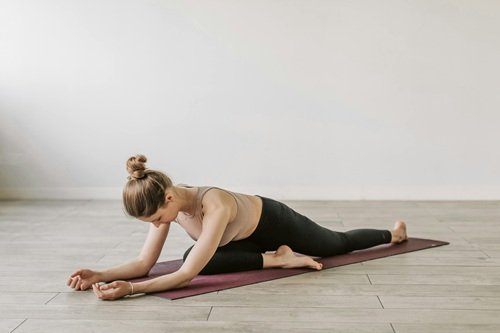
Why Home Workouts Dominate in 2026
The shift toward home fitness started years ago but gained massive momentum during the pandemic era. Platforms like Peloton and Nike Training Club proved that guided digital workouts could be just as effective as in-person training.
In 2026, this trend has evolved into:
- AI-personalized workout plans
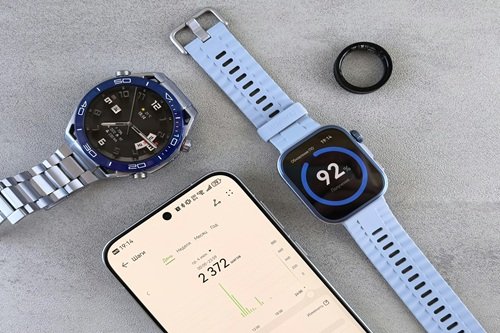
- Smart wearables with real-time feedback
- Virtual group training communities
- Minimal-equipment strength systems
But here’s the truth: You don’t need high-tech tools to succeed. What you need is structure, progression, and consistency.
The 2026 Home Workouts Philosophy
The most effective home workouts regime in 2026 is built around five core principles:
- Efficiency Over Duration
- Progressive Overload Without Heavy Weights
- Mobility and Longevity Focus
- Hybrid Strength + Cardio Training
- Habit-Based Consistency
Let’s break this down into a practical weekly plan.
The Best 2026 Home Workouts Regime (No Gym Required)
This plan is designed for beginners to intermediate fitness levels and requires minimal equipment: a yoga mat, resistance bands, and optionally a pair of adjustable dumbbells.
Weekly Structure (4–5 Days)
- Day 1 – Upper Body Strength
- Day 2 – Lower Body & Core
- Day 3 – Active Recovery / Mobility
- Day 4 – Full Body Conditioning
- Day 5 – Optional Cardio & Core Finisher
Each workout takes 30–45 minutes.
Day 1: Upper Body Strength
Focus on controlled movements and time under tension.
Workout:
- Push-ups (3 x 10–15)
- Resistance band rows (3 x 12–15)
- Pike push-ups (3 x 8–12)
- Chair dips (3 x 10–12)
- Plank shoulder taps (3 x 20 taps)
2026 Tip:
Slow down your reps. A 3-second lowering phase builds strength without heavy weights.

Day 2: Lower Body & Core
Leg training at home is highly effective when done correctly.
Workout:
- Bodyweight squats (4 x 15)
- Bulgarian split squats (3 x 10 each leg)
- Glute bridges (3 x 15)
- Wall sit (3 x 45 seconds)
- Dead bug core exercise (3 x 12 each side)
Progression Hack:
Add resistance bands or pause at the bottom of squats for 2 seconds.
Day 3: Active Recovery & Mobility
Recovery is not optional in 2026—it’s prioritized.
Incorporate:
- 10 minutes dynamic stretching
- Hip mobility drills
- Thoracic spine rotations
- Light yoga flow
Apps like Apple Fitness+ offer structured mobility sessions, but you can easily follow free routines online.
Mobility training prevents injury and improves long-term performance.
Day 4: Full Body Conditioning
This is your fat-burning, heart-pumping day.
Circuit (Repeat 3–4 rounds):
- Jump squats – 15 reps
- Push-ups – 12 reps
- Mountain climbers – 30 seconds
- Resistance band rows – 15 reps
- Plank – 45 seconds
Rest 60–90 seconds between rounds.
This blends strength and cardio, maximizing calorie burn while preserving muscle.
Day 5 (Optional): Cardio & Core Finisher
Short on time? Try this 20-minute session:
- High knees – 30 seconds
- Bicycle crunch – 20 reps
- Burpees – 10 reps
- Side plank – 30 seconds per side
Repeat for 3 rounds.
Also Read: H3N2 Clade K: Symptoms, Duration, and the Best Recovery Protocol for This Winter | Silent Walks: Why Gen Z Is Ditching Headphones for Mindful Mornings in 2026 | What is 75 hard challenge? | HOW YOGA BENEFITS YOU IN EVERYDAY LIFE | WHAT IS CARB CYCLE – FAST FAT BURNING PROCESS! | Fittheories
How to Stay Consistent with Home Workouts
The biggest challenge isn’t finding the right workout. It’s staying consistent.
1. Schedule It Like a Meeting
Block your workouts on your calendar. Treat them as non-negotiable appointments.
2. Create a Dedicated Workout Space
Even a 6×6 corner of a room works. When your brain associates that space with exercise, habit formation becomes easier.
3. Use the 10-Minute Rule
On low-motivation days, commit to just 10 minutes. Once you start, you’ll often continue.
4. Track Progress Weekly
Measure:
- Reps completed
- Time under tension
- Body measurements
- Energy levels
Small improvements build momentum.
The Science Behind Bodyweight Training in 2026
Research over the past decade confirms that bodyweight training can build muscle and strength comparable to traditional weightlifting—when intensity is sufficient.
Modern trainers inspired by experts like Jeff Nippard emphasize progressive overload even without barbells. This can be achieved by:
- Slower reps
- Increased volume
- Harder exercise variations
- Shorter rest periods
The key is pushing close to muscular fatigue.
Equipment That Enhances Home Workouts (Optional)
While no gym is required, a few affordable tools can elevate your results:
- Resistance bands
- Adjustable dumbbells
- Pull-up bar
- Jump rope
- Stability ball
Smart home mirrors and AI-guided systems are trending in 2026, but they are optional—not essential.
Nutrition: The Missing Piece of Home Fitness Success
Even the best home workouts regime won’t deliver results without proper nutrition.
Focus on:
- 0.7–1 gram of protein per pound of bodyweight
- Whole foods over processed meals
- Hydration (3+ liters daily)
- Balanced carbohydrates for energy
Home workouts are effective, but recovery and fueling determine visible results.
Mental Discipline: The 2026 Fitness Advantage
One major shift in 2026 fitness culture is mindset training.
Athletes like David Goggins popularized mental toughness principles that apply perfectly to home training:
- Show up even when you don’t feel like it
- Focus on discipline, not motivation
- Embrace discomfort
At home, there’s no trainer watching you. Discipline becomes your greatest asset.
Common Home Workouts Mistakes to Avoid
- Skipping warm-ups
- Doing random workouts without progression
- Ignoring recovery
- Training abs daily without rest
- Expecting results in 2 weeks
Consistency over months—not days—creates transformation.
The 2026 Upgrade: Hybrid Micro-Workouts
A growing trend in 2026 is “exercise snacking.” Instead of one long session, people perform:
- 10 push-ups in the morning
- 15 squats mid-day
- 5-minute core work at night
These micro-workouts boost metabolism and reduce sedentary time.
If you work remotely, this strategy is especially powerful.
Who Benefits Most from Home Workouts?
Home workouts are ideal for:
- Busy professionals
- Parents
- Students
- Remote workers
- Beginners intimidated by gyms
They eliminate commute time, reduce cost, and remove social anxiety barriers.
Sample 30-Day Home Workouts Challenge
If you want structure, follow this:
Week 1: Learn form and consistency
Week 2: Increase reps by 10%
Week 3: Add pauses or resistance bands
Week 4: Reduce rest time
Track everything. By day 30, you’ll notice strength gains, improved endurance, and better posture.
Final Thoughts: No Gym, No Problem in 2026
The best home workout regime in 2026 isn’t about fancy machines or expensive memberships. It’s about structured programming, progressive overload, recovery, and mental discipline.
You don’t need a commercial gym to transform your body. You need:
- A plan
- 30–45 minutes
- Consistency
- Patience
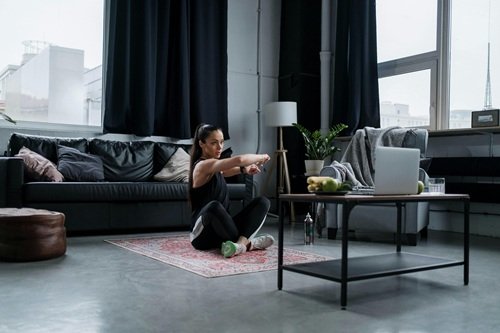
With the right approach, your living room can become your most powerful fitness space.
No gym? No problem. Your strongest year starts at home.
Also Read: Is an Anti-Inflammatory Diet Right for You? 12 Foods to Avoid and 12 to Add to Your Plate | Telehealth and Digital Health Apps: 5 Reasons Virtual Care Is Growing Faster Than Ever | 5 powerful Minimalist Living Tips for a Stress-Free Life | 5 Easy Ways to Declutter Your Home and Boost Your Mental Clarity | Sustainable Lifestyle 2026
Frequently Asked Questions
What are the benefits of home workouts compared to gym workouts?
Home workouts save time and money, eliminate commute time, offer privacy, and allow flexibility to fit exercise into your schedule. You can also eliminate distractions and create a routine that works specifically for your lifestyle.
Do I need equipment to have effective home workouts?
No, bodyweight exercises like push-ups, squats, and planks are highly effective. However, simple equipment like resistance bands, dumbbells, or a pull-up bar can add variety and intensity without requiring much space.
How long should my home workout sessions be?
Even 20-30 minutes of consistent home workouts can be highly effective. Focus on quality over quantity, and you will see better results from shorter intense sessions than from longer, unfocused ones.
How do I stay motivated to work out at home?
Create a dedicated workout space, set a consistent schedule, follow online classes or programs for guidance, track your progress, and find a workout style you genuinely enjoy. Having structure and accountability makes consistency easier.
Can home workouts build muscle and strength like gym workouts?
Absolutely, as long as you apply progressive overload by increasing reps, difficulty, or adding light equipment over time. Many people build impressive strength and muscle using primarily bodyweight and minimal home equipment.