In 2026, fitness is no longer just about lifting heavier weights, running faster miles, or counting calories with precision. While physical performance still matters, a deeper shift is reshaping how people stay consistent with their health goals. This shift is called social fitness — and it’s quickly becoming the missing link between starting a fitness journey and actually sticking with it.
As technology, remote work, and digital lifestyles continue to evolve, people are realizing that motivation doesn’t thrive in isolation. The future of fitness goes far beyond gym walls, focusing instead on human connection, accountability, and shared experiences. Social fitness is no longer optional; it’s essential.
Understanding Social Fitness in 2026
Social fitness refers to the practice of building and maintaining strong social connections that support mental, emotional, and physical well-being. Unlike traditional fitness models that emphasize solo effort, social fitness highlights community-driven movement, group accountability, and relationship-based motivation.

In 2026, social fitness includes:
- Group workouts (both online and offline)
- Community-based challenges
- Fitness-focused social platforms
- Accountability partnerships
- Shared wellness goals among friends, coworkers, or families
The concept recognizes a simple truth: people are more consistent when they feel connected.
Why Consistency Is the Biggest Fitness Challenge
Most people don’t fail at fitness because they lack information. They fail because they lack consistency.
Common reasons include:
- Loss of motivation after initial excitement
- Feeling isolated in solo workouts
- Busy schedules and burnout
- Lack of accountability
- Mental health struggles
Even the best workout plan becomes useless without long-term commitment. This is where social fitness changes everything.
The Psychology Behind Social Fitness
Human beings are social by nature. Behavioral science shows that people are more likely to follow through on habits when others are involved.
Social fitness works because it leverages:
- Social accountability: You’re less likely to skip a workout when someone expects you.
- Emotional reinforcement: Encouragement boosts confidence and reduces self-doubt.
- Positive peer pressure: Seeing others show up inspires action.
- Belonging: Feeling part of a group increases motivation and enjoyment.
In 2026, fitness success is no longer about willpower alone — it’s about shared momentum.
Beyond the Gym Walls: The New Fitness Environment
Traditional gyms are no longer the center of the fitness universe. While they still play an important role, fitness in 2026 happens everywhere.
1. Digital Fitness Communities
Online platforms now host:
- Live group workouts
- Virtual running clubs
- Social fitness challenges
- Community leaderboards
- Wellness discussion spaces
These communities allow people to stay connected regardless of location, making consistency easier than ever.
2. Outdoor and Urban Fitness
Parks, rooftops, beaches, and city spaces are becoming social workout hubs. Group yoga sessions, walking clubs, and outdoor boot camps encourage movement while fostering connection.
3. Workplace Social Fitness
Companies are investing in employee wellness through:
- Team fitness challenges
- Group step goals
- Social wellness apps
- Community-based mental health initiatives
This approach improves consistency while boosting morale and productivity.
Social Fitness and Mental Health
In 2026, fitness is no longer separated from mental health — they are deeply intertwined.
Social fitness helps:
- Reduce loneliness and isolation
- Lower stress and anxiety
- Improve mood and emotional resilience
- Create safe spaces for self-expression
When people feel supported, they are more likely to maintain healthy routines. This emotional safety net plays a huge role in long-term consistency.

Also Read: Is an Anti-Inflammatory Diet Right for You? 12 Foods to Avoid and 12 to Add to Your Plate | Telehealth and Digital Health Apps: 5 Reasons Virtual Care Is Growing Faster Than Ever | 5 powerful Minimalist Living Tips for a Stress-Free Life | 5 Easy Ways to Declutter Your Home and Boost Your Mental Clarity | Sustainable Lifestyle 2025
Technology’s Role in Social Fitness
Technology has transformed how people connect around fitness.
Smart Wearables and Shared Data
Fitness trackers now allow users to:
- Share progress with friends
- Celebrate milestones together
- Join collective goals
- Encourage one another in real time
This shared visibility increases accountability without pressure.
AI and Personalized Social Circles
In 2026, AI-driven platforms match users with:
- Similar fitness levels
- Shared interests
- Compatible schedules
- Common wellness goals
These smart pairings make social fitness more effective and inclusive.
Social Media, Reimagined
Fitness content is shifting away from perfection and toward authenticity. Real-life progress, community stories, and shared struggles now dominate fitness feeds, making consistency feel achievable rather than intimidating.
Why Social Fitness Outperforms Solo Training
While solo workouts can be effective, they often lack sustainability. Social fitness excels because it makes movement:
- More enjoyable
- Less intimidating
- Emotionally rewarding
- Easier to maintain long-term
When fitness feels like a shared lifestyle instead of a personal burden, consistency naturally follows.
Social Fitness for All Ages
One of the biggest strengths of social fitness is its inclusivity.
- Young adults thrive on community challenges and group classes.
- Busy professionals benefit from accountability partners and flexible virtual groups.
- Older adults experience improved mobility and reduced isolation through social movement.
- Families build healthy habits together, creating lifelong consistency.
In 2026, fitness is no longer one-size-fits-all — it’s community-centered and adaptable.
How to Build Social Fitness Into Your Life
Consistency doesn’t require drastic changes. Small, social adjustments can make a big difference.
Here are practical ways to embrace social fitness:
- Join a local walking or running group
- Participate in online fitness challenges
- Work out with a friend or family member
- Share goals publicly within a supportive community
- Engage in group wellness activities beyond workouts
The key is connection, not perfection.
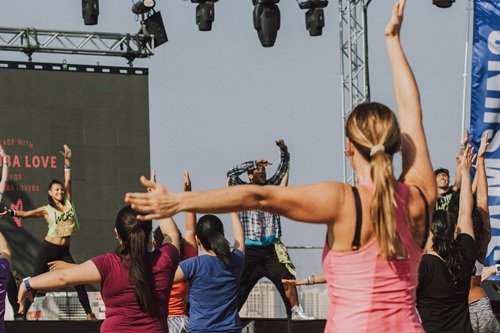
The Future of Fitness Is Social
As we move further into 2026, the definition of fitness continues to expand. Strength, endurance, and flexibility still matter — but connection is now just as important.
Social fitness represents a shift from isolated discipline to collective consistency. It acknowledges that humans thrive when they move together, support one another, and celebrate progress as a community.
Conclusion: Consistency Thrives in Connection
The biggest fitness trend of 2026 isn’t a new workout program or cutting-edge machine. It’s the realization that consistency is built through relationships.
Social fitness goes beyond gym walls, transforming fitness from a solitary task into a shared journey. When people feel seen, supported, and connected, they don’t just start — they keep going.
In a world that often feels disconnected, social fitness reminds us that the strongest habits are built together.
Also Read: H3N2 Clade K: Symptoms, Duration, and the Best Recovery Protocol for This Winter | Silent Walks: Why Gen Z Is Ditching Headphones for Mindful Mornings in 2025 | What is 75 hard challenge? | HOW YOGA BENEFITS YOU IN EVERYDAY LIFE | WHAT IS CARB CYCLE – FAST FAT BURNING PROCESS! | Fittheories