When people think about brain health, memory is often the first thing that comes to mind. We associate a healthy brain with the ability to recall names, remember appointments, and stay mentally sharp. But brain health is much broader and more complex than memory alone. One of the clearest examples of this is epilepsy — a neurological condition that affects millions of people worldwide.
Understanding epilepsy reveals powerful insights about how the brain truly works. It shows us that brain health involves electrical balance, emotional well-being, lifestyle choices, and social support — not just cognitive performance.
In this article, we explore seven powerful truths about epilepsy and why brain health goes far beyond memory.
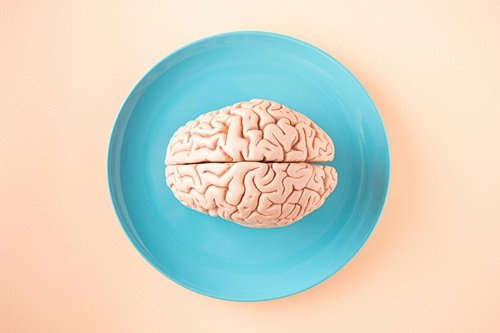
1. Epilepsy Is a Neurological Condition, Not a Mental Illness
One of the most important truths about epilepsy is that it is a neurological disorder, not a mental health condition. Epilepsy occurs when there is abnormal electrical activity in the brain, leading to recurrent seizures. These seizures can vary widely in intensity and presentation.
Some people experience convulsions and loss of consciousness. Others may simply stare blankly for a few seconds or experience unusual sensations. Because seizures can look different from person to person, epilepsy is often misunderstood.
Brain health is not just about thinking clearly — it’s about maintaining healthy electrical communication between billions of neurons. When that communication becomes disrupted, seizures can occur.
Understanding this distinction helps reduce stigma and promotes better awareness about how the brain truly functions.
2. Seizures Are Symptoms, Not the Whole Story
Many people believe epilepsy is only about seizures. While seizures are the defining symptom, they are only one part of the condition.
Epilepsy can also affect:
- Attention and concentration
- Mood and emotional regulation
- Sleep patterns
- Energy levels
- Processing speed
This means brain health includes emotional stability, sleep quality, and daily functioning — not just memory recall.
Some individuals with epilepsy may experience anxiety or depression, sometimes as a result of living with an unpredictable condition. Others may notice cognitive fatigue after seizures.
By recognizing that epilepsy impacts multiple brain systems, we begin to see brain health as a dynamic, interconnected process.
3. Brain Health Involves Electrical Balance
Your brain operates using tiny electrical signals that allow neurons to communicate. In epilepsy, these signals become overly synchronized or misfired, triggering seizures.
Think of the brain as a complex electrical network. When everything is balanced, messages flow smoothly. When there is a surge or disruption, the system can temporarily overload.
This highlights an important truth: brain health is about balance.
Factors that influence electrical stability include:
- Sleep
- Stress levels
- Nutrition
- Hormonal changes
- Medication adherence
For many people with epilepsy, lack of sleep is a major trigger. Stress can also lower the seizure threshold. This is why maintaining consistent routines and managing stress are critical components of brain health.
Memory is just one cognitive function. Electrical stability is foundational to all brain activity.

4. Epilepsy Affects People of All Ages
Another powerful truth is that epilepsy does not discriminate. It can begin in childhood, adolescence, adulthood, or later in life.
Some children outgrow certain types of epilepsy. Others manage it long-term with medication. In older adults, seizures may develop due to stroke, brain injury, or other neurological conditions.
This reminds us that brain health is a lifelong journey.
Children with epilepsy may face learning challenges not because they lack intelligence, but because seizures or medication can affect focus and processing speed. Adults may need workplace accommodations. Seniors may need additional monitoring.
Brain health includes developmental support, educational resources, and age-appropriate care.
Also Read: Is an Anti-Inflammatory Diet Right for You? 12 Foods to Avoid and 12 to Add to Your Plate | Telehealth and Digital Health Apps: 5 Reasons Virtual Care Is Growing Faster Than Ever | 5 powerful Minimalist Living Tips for a Stress-Free Life | 5 Easy Ways to Declutter Your Home and Boost Your Mental Clarity | Sustainable Lifestyle 2026
5. Treatment Is More Advanced Than Ever
There is hope. Medical science has made tremendous progress in understanding and treating epilepsy.
Treatment options may include:
- Anti-seizure medications
- Dietary therapies (such as ketogenic approaches)
- Nerve stimulation devices
- Brain surgery in specific cases
- Lifestyle adjustments
Many people with epilepsy achieve seizure control with the right treatment plan. Early diagnosis and proper medical care significantly improve quality of life.
However, treatment is not one-size-fits-all. What works for one person may not work for another. This is because epilepsy has many different causes and seizure types.
Brain health requires personalized care, consistent follow-ups, and a collaborative approach between patient and healthcare provider.
6. Emotional and Social Health Matter Just as Much
Epilepsy can affect more than physical health. The emotional and social impact can be significant.
Fear of having a seizure in public may lead some individuals to withdraw socially. Driving restrictions can affect independence. Misunderstandings about the condition can create stigma.
Mental health support is often an essential part of epilepsy care. Anxiety and depression are more common among people with epilepsy, partly due to neurological factors and partly due to life challenges associated with the condition.
True brain health includes:
- Emotional resilience
- Social connection
- Self-confidence
- Access to supportive communities
Education plays a major role in breaking stigma. When families, schools, and workplaces understand epilepsy, individuals feel safer and more empowered.
Brain health is not isolated from emotional well-being — the two are deeply connected.
7. Prevention and Lifestyle Choices Play a Key Role
While not all cases of epilepsy can be prevented, protecting overall brain health can reduce risk factors and improve outcomes.
Healthy brain habits include:
- Getting consistent, quality sleep
- Managing stress effectively
- Eating a balanced diet
- Staying physically active
- Avoiding excessive alcohol
- Protecting the head from injury
For those already diagnosed with epilepsy, lifestyle consistency can help reduce seizure frequency. Keeping a seizure diary to identify triggers can be extremely helpful.
Brain health is proactive, not passive.
By taking small daily steps, individuals can support cognitive function, emotional stability, and neurological balance.
Why Brain Health Is More Than Memory
Memory is important, but it represents only one piece of a much larger puzzle.
The brain controls:
- Movement
- Sensation
- Emotions
- Hormones
- Sleep cycles
- Decision-making
- Awareness
Epilepsy clearly demonstrates how interconnected these systems are. A disruption in electrical signaling can affect awareness, behavior, mood, and physical control — not just recall ability.
When we redefine brain health, we move beyond simple memory tests and focus on whole-brain wellness.
This includes:
- Neurological stability
- Mental health support
- Lifestyle habits
- Medical management
- Social inclusion
Understanding epilepsy helps us see the brain as a living, dynamic organ that requires care, respect, and ongoing attention.
Final Thoughts
Epilepsy is more than a seizure disorder. It is a powerful reminder that brain health is complex and multidimensional.
By learning these seven truths, we can:
- Reduce stigma
- Promote awareness
- Encourage early diagnosis
- Support those living with epilepsy
- Advocate for comprehensive brain health care
Whether you are a patient, caregiver, or simply someone interested in neurological wellness, understanding epilepsy offers valuable insight into how the brain truly works.
Brain health is not just about remembering names or staying mentally sharp. It is about balance, resilience, connection, and overall well-being.
When we expand our definition of brain health, we create a more compassionate and informed society — one that supports everyone living with neurological conditions like epilepsy.

Also Read: H3N2 Clade K: Symptoms, Duration, and the Best Recovery Protocol for This Winter | Silent Walks: Why Gen Z Is Ditching Headphones for Mindful Mornings in 2026 | What is 75 hard challenge? | HOW YOGA BENEFITS YOU IN EVERYDAY LIFE | WHAT IS CARB CYCLE – FAST FAT BURNING PROCESS! | Fittheories
Frequently Asked Questions
What is the relationship between epilepsy and brain health?
Epilepsy affects the brain’s electrical activity and can impact cognitive function, mood, and overall brain health beyond just seizure management. Brain health in epilepsy involves protecting neurological function and optimizing quality of life.
Can lifestyle changes help manage epilepsy alongside medication?
Yes, stress management, adequate sleep, regular exercise, and avoiding triggers can complement medication in seizure management. Some people also benefit from dietary approaches like the ketogenic diet, though this should be discussed with a neurologist.
Is memory loss a common side effect of epilepsy treatment?
Some antiepileptic medications can affect memory and cognitive function, but this varies by medication and individual. Working with your neurologist to find the right medication balance can minimize these side effects.
How does seizure control impact long-term brain health?
Controlling seizures protects the brain from repeated electrical disruptions that can cause neurological damage over time. Better seizure management generally leads to improved cognitive outcomes.
What role does mental health play in epilepsy management?
Depression and anxiety are more common in people with epilepsy and can increase seizure frequency, while managing mental health can improve seizure control. A comprehensive approach addressing both seizures and emotional wellbeing is important.