Stress has become a constant companion in modern life. From endless screen time and tight deadlines to emotional overload and lack of rest, our nervous systems are often pushed far beyond their natural limits. Meditation is frequently recommended as the go-to solution—and while it’s powerful, it’s not always enough.
For many people, stress doesn’t just live in the mind. It lives in the body.
Tight shoulders, clenched jaws, shallow breathing, restless legs, and chronic fatigue are all signs that stress has taken up physical residence. This is where somatic practices come in. Unlike traditional mindfulness techniques that focus primarily on mental awareness, somatic practices work directly with the body to release stored tension and reset the nervous system.
In this article, we’ll go beyond meditation and explore five powerful somatic practices that help you physically shake off stress, reconnect with your body, and restore a sense of calm and balance.
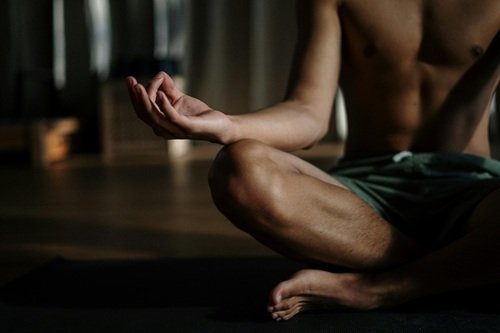
What Are Somatic Practices?
Somatic practices are body-based techniques designed to increase awareness of physical sensations and promote healing through movement, breath, and touch. The word somatic comes from the Greek word soma, meaning “the living body.”
When we experience stress, trauma, or emotional overwhelm, the body often goes into survival mode—fight, flight, or freeze. Even after the stressful event passes, the nervous system may stay stuck in this activated state. Somatic practices help complete the body’s stress response, allowing tension to discharge naturally.
These techniques are especially helpful for people who find it hard to “quiet the mind” through meditation alone.
Why Physical Stress Release Matters
Chronic stress doesn’t just affect mental health—it impacts sleep, digestion, immunity, posture, and overall well-being. If stress remains trapped in the body, it can lead to:
- Muscle pain and stiffness
- Anxiety and burnout
- Hormonal imbalance
- Poor concentration
- Emotional numbness or irritability
Somatic practices work with the body’s natural intelligence, helping it feel safe enough to relax. When the body relaxes, the mind often follows.
1. Somatic Shaking: Let the Body Discharge Stress
One of the most instinctive ways the body releases stress is through shaking. You may have noticed animals trembling after a threatening situation—this is how they reset their nervous systems. Humans, however, often suppress this natural response.
Somatic shaking intentionally activates this release mechanism.
How It Works
Gentle shaking stimulates the muscles and nervous system, allowing excess energy and tension to be released. It sends a signal to the brain that the danger has passed.
How to Practice
- Stand with your feet hip-width apart
- Begin gently bouncing your knees
- Let your arms, shoulders, and head shake naturally
- Breathe freely and deeply
- Continue for 2–5 minutes
You may feel warmth, tingling, or emotional release. This is normal.
Benefits
- Reduces anxiety and overwhelm
- Releases muscle tension
- Improves circulation
- Boosts mood and energy
2. Body-Focused Breathing (Not Just Deep Breathing)
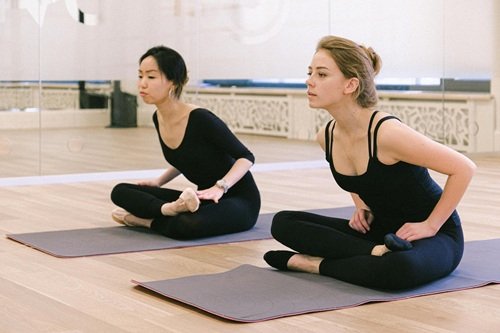
Breathing exercises are common, but somatic breathing goes beyond counting breaths or controlling airflow. Instead, it focuses on where the breath travels in the body.
Stress often causes shallow chest breathing, which keeps the nervous system on high alert. Somatic breathing encourages the breath to move into areas holding tension.
How to Practice
- Sit or lie comfortably
- Place one hand on your belly and one on your chest
- Inhale through your nose, imagining the breath moving into your lower body
- Exhale slowly through your mouth
- Bring attention to areas that feel tight
Instead of forcing relaxation, simply observe sensations.
Benefits
- Activates the parasympathetic nervous system
- Improves emotional regulation
- Reduces physical stress symptoms
- Enhances mind-body awareness
Also Read: Is an Anti-Inflammatory Diet Right for You? 12 Foods to Avoid and 12 to Add to Your Plate | Telehealth and Digital Health Apps: 5 Reasons Virtual Care Is Growing Faster Than Ever | 5 powerful Minimalist Living Tips for a Stress-Free Life | 5 Easy Ways to Declutter Your Home and Boost Your Mental Clarity | Sustainable Lifestyle 2025
3. Intuitive Movement: Let Your Body Lead
Structured workouts are great, but when it comes to stress relief, the body often needs freedom rather than rules. Intuitive movement allows the body to express what it’s holding without judgment.
This practice can look like stretching, swaying, rolling on the floor, or slow, mindful movement.
How to Practice
- Put on soft or instrumental music
- Close your eyes if comfortable
- Move in whatever way feels natural
- Follow sensations, not appearance
- Stop when your body feels complete
There is no “right” way to do this.
Benefits
- Releases emotional and physical tension
- Enhances body awareness
- Improves flexibility and posture
- Encourages self-trust and embodiment
4. Self-Touch and Grounding Techniques
Touch is one of the most powerful regulators of the nervous system. While professional bodywork is beneficial, self-touch can be just as effective for daily stress relief.
Grounding through touch reminds the body that it is safe and supported.
How to Practice
- Place a hand over your heart or belly
- Gently massage your neck, shoulders, or arms
- Press your feet firmly into the ground
- Hold yourself in a comforting embrace
Move slowly and with intention.
Benefits
- Reduces cortisol (stress hormone)
- Increases feelings of safety
- Improves emotional regulation
- Supports trauma-informed healing
5. Somatic Body Scanning with Micro-Movements
Traditional body scans focus on awareness alone. Somatic body scanning adds small, intentional movements to help release tension instead of just noticing it.
How to Practice
- Lie down comfortably
- Slowly scan your body from head to toe
- When you find tension, gently move that area
- Stretch, rotate, or contract and release
- Pause and notice the change
This helps complete incomplete stress responses stored in the muscles.
Benefits
- Improves sleep quality
- Reduces chronic pain
- Enhances relaxation
- Reconnects mind and body
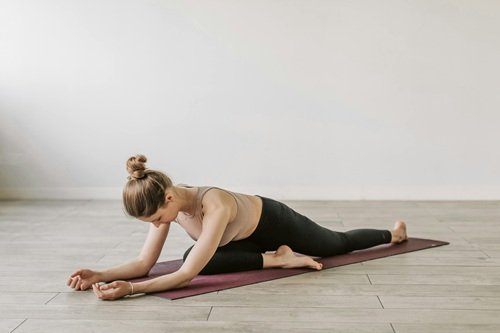
Why Somatic Practices Work When Meditation Doesn’t
Meditation is a top-down approach—it starts with the mind. Somatic practices are bottom-up—they start with the body. For people with high stress, trauma, or nervous system dysregulation, the body often needs to feel safe before the mind can relax.
Somatic techniques:
- Don’t require stillness
- Are accessible to beginners
- Work quickly
- Support long-term nervous system health
They complement meditation beautifully but can also stand alone.
How to Integrate Somatic Practices into Daily Life
You don’t need hours of free time or special equipment. Even 5–10 minutes a day can make a noticeable difference.
Simple tips:
- Shake for 2 minutes between work tasks
- Use somatic breathing before sleep
- Practice grounding touch during stressful moments
- Move intuitively instead of forcing workouts
Consistency matters more than intensity.
Final Thoughts: Stress Relief Lives in the Body
Stress is not just a mental experience—it’s a physical one. While meditation has its place, true healing often requires listening to the body’s wisdom. Somatic practices offer a powerful, accessible way to release tension, regulate the nervous system, and reconnect with yourself on a deeper level.
By moving beyond meditation and embracing these five somatic practices, you give your body permission to do what it already knows how to do—restore balance, safety, and calm.
Also Read: H3N2 Clade K: Symptoms, Duration, and the Best Recovery Protocol for This Winter | Silent Walks: Why Gen Z Is Ditching Headphones for Mindful Mornings in 2025 | What is 75 hard challenge? | HOW YOGA BENEFITS YOU IN EVERYDAY LIFE | WHAT IS CARB CYCLE – FAST FAT BURNING PROCESS! | Fittheories