In 2026, the idea of age has evolved far beyond the number of candles on your birthday cake. While chronological age simply measures how many years you’ve been alive, biological age reflects how old your body truly is based on health, lifestyle, and cellular function. Many people today are discovering that they may be biologically younger—or older—than their actual age.
With growing interest in longevity, wellness, and preventive health, understanding the difference between biological age and chronological age has never been more important. Even better, advances in science and technology now allow you to estimate your true biological age from the comfort of your home.
This article explores what biological age really means, how it differs from chronological age, why it matters in 2026, and the most effective ways to test your biological age at home.

What Is Chronological Age?
Chronological age is the most familiar concept of age. It is the total number of years, months, and days that have passed since your birth. It increases at the same rate for everyone—one year per year—regardless of health, genetics, or lifestyle.
While chronological age is useful for legal, social, and administrative purposes, it tells us very little about a person’s physical condition, disease risk, or longevity potential.
For example:
- Two people may both be 45 years old chronologically
- One may have the heart, metabolism, and muscle strength of a 30-year-old
- The other may show signs of aging closer to 60
This is where biological age comes in.
What Is Biological Age?
Biological age measures how well—or poorly—your body is functioning compared to the average population. It reflects the cumulative impact of factors such as:
- Genetics
- Diet and nutrition
- Physical activity
- Stress levels
- Sleep quality
- Environmental exposure
- Inflammation and oxidative stress
Unlike chronological age, biological age can change. With healthier habits, your biological age can slow down or even reverse, making it a powerful tool for preventive health.
In 2026, biological age is increasingly used as a marker of:
- Longevity potential
- Risk of chronic disease
- Overall vitality and resilience
Biological Age vs. Chronological Age: Key Differences
| Feature | Chronological Age | Biological Age |
|---|---|---|
| Definition | Years since birth | Body’s functional age |
| Changes over time | Always increases | Can increase or decrease |
| Influenced by lifestyle | No | Yes |
| Predicts health risk | Poorly | More accurately |
| Useful for longevity tracking | No | Yes |
Understanding this distinction helps explain why some people “age better” than others—even if they were born in the same year.
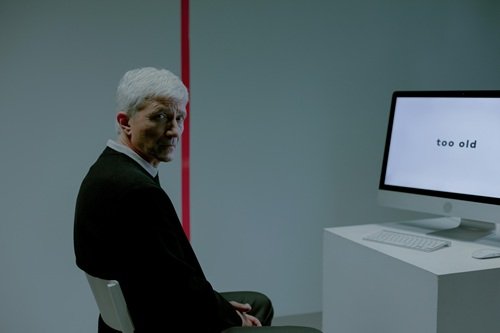
Why Biological Age Matters More in 2026
In recent years, healthcare has shifted from treating disease to preventing it early. Biological age plays a central role in this transformation.
In 2026, people are using biological age to:
- Detect early signs of aging-related decline
- Customize fitness and nutrition plans
- Monitor the effectiveness of lifestyle changes
- Reduce risk of heart disease, diabetes, and cognitive decline
- Track longevity and healthspan, not just lifespan
Rather than waiting for symptoms, biological age offers an early warning system for your body.
Can You Test Your Biological Age at Home?
Yes. Thanks to technological and scientific advancements, at-home biological age testing is more accessible than ever in 2026. While no single test is perfect, combining several methods can give you a reliable estimate.
Below are the most effective ways to test your biological age at home.
1. Physical Performance Tests
Your physical abilities are strong indicators of how well your body is aging.
Grip Strength Test
Grip strength is closely linked to longevity and muscle health.
How to test at home:
- Use a hand grip dynamometer (widely available)
- Compare your result with age-based averages
Lower grip strength often correlates with a higher biological age.
Balance Test
Balance declines with neurological and muscular aging.
Simple test:
- Stand on one leg with eyes open
- Time how long you can hold the position
Poor balance may indicate accelerated biological aging.
Also Read: H3N2 Clade K: Symptoms, Duration, and the Best Recovery Protocol for This Winter | Silent Walks: Why Gen Z Is Ditching Headphones for Mindful Mornings in 2025 | What is 75 hard challenge? | HOW YOGA BENEFITS YOU IN EVERYDAY LIFE | WHAT IS CARB CYCLE – FAST FAT BURNING PROCESS! | Fittheories
2. Resting Heart Rate and Cardiovascular Fitness
Your heart health reveals a great deal about your biological age.
- Measure your resting heart rate upon waking
- A lower resting heart rate generally indicates better cardiovascular fitness
You can also assess recovery time after mild exercise. Faster recovery suggests a younger biological age.
3. Body Composition Analysis
Weight alone is not a good measure of health. Body composition matters far more.
Key factors include:
- Muscle mass
- Body fat percentage
- Visceral fat
Smart scales in 2026 use bioelectrical impedance and AI algorithms to estimate these metrics. Higher muscle mass and lower visceral fat are associated with a lower biological age.
4. At-Home Blood Biomarker Tests
At-home blood testing kits have become more advanced and user-friendly.
Common biomarkers used to estimate biological age include:
- Blood glucose levels
- Cholesterol ratios
- Inflammatory markers
- Hormone balance
Some services combine multiple biomarkers into a biological age score, offering insights without a clinic visit.
5. DNA and Epigenetic Age Tests
One of the most advanced methods in 2026 is epigenetic age testing, which analyzes chemical markers on your DNA related to aging.
These tests:
- Use saliva or blood samples
- Measure gene expression patterns
- Estimate cellular aging more accurately
While more expensive, epigenetic tests are among the most precise biological age tools available today.

6. Lifestyle and Health Questionnaires
Although less technical, detailed health questionnaires still play an important role.
They assess:
- Sleep quality
- Stress levels
- Nutrition habits
- Physical activity
- Alcohol and tobacco use
When combined with physical and biological data, these questionnaires help refine biological age estimates.
How Accurate Are At-Home Biological Age Tests?
No at-home test can provide a perfectly precise biological age. However, accuracy improves when multiple methods are combined.
Think of biological age as a range rather than a single number. Tracking trends over time—whether your biological age is improving or worsening—is often more valuable than the exact figure.
Can You Lower Your Biological Age?
Yes. One of the most exciting aspects of biological age is that it is modifiable.
Evidence-based strategies to lower biological age include:
- Regular strength and cardiovascular exercise
- Prioritizing sleep and recovery
- Reducing chronic stress
- Eating a nutrient-dense, anti-inflammatory diet
- Maintaining healthy social connections
Many people in 2026 use biological age as motivation to adopt healthier habits and track real progress.

Common Myths About Biological Age
Myth 1: Biological age is fixed
Reality: It can change based on lifestyle and environment.
Myth 2: Only older adults should care
Reality: Monitoring biological age early can prevent future disease.
Myth 3: One test tells the whole story
Reality: A combination of tests provides the best insight.
Final Thoughts: Understanding Your True Age in 2026
Chronological age tells you how long you’ve lived. Biological age tells you how well you’re living.
In 2026, testing your biological age at home is no longer a futuristic idea—it’s a practical tool for proactive health. By understanding the difference between biological and chronological age, and by using modern at-home testing methods, you can gain valuable insights into your body’s true condition.
More importantly, biological age empowers you to take control of your health journey, slow down the aging process, and improve not just how long you live—but how well you live.
Also Read: Is an Anti-Inflammatory Diet Right for You? 12 Foods to Avoid and 12 to Add to Your Plate | Telehealth and Digital Health Apps: 5 Reasons Virtual Care Is Growing Faster Than Ever | 5 powerful Minimalist Living Tips for a Stress-Free Life | 5 Easy Ways to Declutter Your Home and Boost Your Mental Clarity | Sustainable Lifestyle 2025
Frequently Asked Questions
What is the difference between biological age and chronological age?
Chronological age is how many years you have lived, while biological age reflects your body’s actual health and aging state based on cellular markers. Two people of the same chronological age can have vastly different biological ages depending on lifestyle and genetics.
Can your biological age be younger than your chronological age?
Yes, through healthy lifestyle habits like exercise, good nutrition, stress management, and quality sleep, you can maintain a biological age younger than your actual age. Conversely, poor habits can make you biologically older.
How is biological age measured?
Biological age can be assessed through markers like telomere length, epigenetic testing, fitness metrics, metabolic health, and inflammatory markers. Different tests provide different information about various aspects of aging.
What lifestyle factors have the biggest impact on biological age?
Exercise, sleep quality, stress management, nutrition, social connection, and maintaining mental engagement are among the strongest factors. Even one healthy habit compounds benefits, but combining multiple habits creates the most dramatic improvements.
Is biological age testing worth the cost?
The value depends on whether knowing your biological age motivates behavior change. For some people it is highly motivating, while others find that tracking fitness and health metrics without specialized tests is sufficient.