Aging has always been one of humanity’s greatest mysteries. Why do our bodies slow down over time? Why do cells lose their ability to repair themselves? And most importantly, can science slow this process in a meaningful way?
As we move toward 2026, one molecule continues to attract massive attention in longevity research: NAD+ (nicotinamide adenine dinucleotide). From academic laboratories to wellness discussions, NAD+ is often described as a key player in cellular aging. But is NAD+ truly the “secret” to healthier aging, or is it just another scientific buzzword?
This article explores what NAD+ is, why it matters, what science actually says, and what the future may hold, using evidence-based explanations rather than hype.
What Is NAD+?
NAD+ is a naturally occurring molecule found in every living cell. It plays a central role in cellular energy production and metabolic processes. Without NAD+, cells would not be able to convert nutrients into usable energy.
In simple terms, NAD+ acts like a cellular helper molecule, enabling essential chemical reactions that keep cells alive and functioning.
Key roles of NAD+ include:
- Supporting energy production in mitochondria
- Assisting DNA repair processes
- Regulating cellular stress responses
- Helping control circadian rhythms
- Activating longevity-related enzymes called sirtuins
Because these processes are fundamental to life, even small changes in NAD+ levels can have significant effects on cellular health.
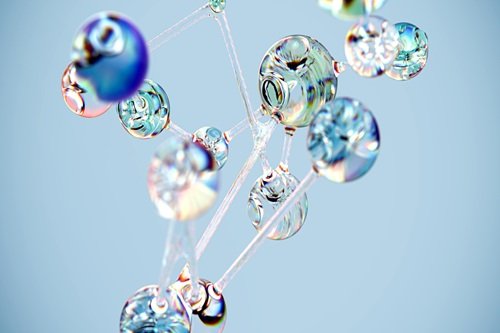
NAD+ and Cellular Aging: What’s the Connection?
One of the most important discoveries in aging research is that NAD+ levels decline as we get older. This decline has been observed in multiple species, including humans.
As NAD+ levels drop:
- Cells produce energy less efficiently
- DNA damage accumulates more easily
- Cellular repair mechanisms weaken
- Inflammation becomes harder to control
These changes are closely associated with common signs of aging, such as reduced physical stamina, slower recovery, and increased vulnerability to age-related conditions.
Rather than being a single cause of aging, NAD+ decline is better understood as a central contributor to cellular aging.
The Role of Sirtuins: Why NAD+ Gets So Much Attention
One reason NAD+ is so widely discussed in longevity science is its relationship with sirtuins. Sirtuins are a family of enzymes that help regulate cellular health, stress resistance, and metabolic balance.
Sirtuins require NAD+ to function. When NAD+ levels are high, sirtuins are more active. When NAD+ levels fall, sirtuin activity decreases.
Research suggests that sirtuins are involved in:
- DNA repair
- Inflammation control
- Mitochondrial health
- Cellular survival under stress
This connection has made NAD+ a major focus in aging research, as boosting NAD+ may indirectly support these protective cellular pathways.
What Does Science Say About NAD+ and Longevity?
Animal studies have shown promising results when NAD+ levels are increased. In laboratory settings, restoring NAD+ levels in older animals has been linked to:
- Improved mitochondrial function
- Better metabolic health
- Enhanced physical performance
- Increased resistance to cellular stress
Human research is still developing, but early studies suggest that maintaining healthy NAD+ levels may support:
- Normal cellular energy production
- DNA maintenance mechanisms
- Metabolic balance during aging
It is important to note that NAD+ is not a cure for aging, nor does current science support the idea of reversing aging entirely. Instead, NAD+ appears to be part of a broader network that influences how well cells cope with time-related stress.
NAD+ Decline: Why It Happens
Several factors contribute to the natural decline of NAD+ with age:
1. Increased DNA Damage
As cells age, DNA damage accumulates. Repairing this damage consumes NAD+, gradually reducing its availability.
2. Chronic Inflammation
Low-grade, long-term inflammation (sometimes called “inflammaging”) increases the activity of enzymes that use up NAD+.
3. Metabolic Stress
Poor sleep patterns, inactivity, and metabolic imbalance can place additional strain on cellular energy systems.
4. Environmental Stressors
Exposure to pollutants, UV radiation, and oxidative stress may accelerate NAD+ depletion over time.
Understanding these factors helps researchers explore ways to support NAD+ balance, rather than simply trying to increase levels artificially.
Also Read: Silent Walks: Why Gen Z Is Ditching Headphones for Mindful Mornings in 2025 | What is 75 hard challenge? | HOW YOGA BENEFITS YOU IN EVERYDAY LIFE | WHAT IS CARB CYCLE – FAST FAT BURNING PROCESS! | Fittheories
NAD+ and Mitochondria: The Energy Connection
Mitochondria are often described as the “power plants” of cells. They generate the energy required for almost every biological process.
NAD+ plays a critical role in mitochondrial function by:
- Supporting energy-producing chemical reactions
- Helping regulate mitochondrial efficiency
- Maintaining balance between energy production and repair
As NAD+ declines, mitochondria may become less efficient, leading to fatigue and reduced cellular performance. This is one reason NAD+ is frequently discussed in conversations about energy, aging, and resilience.
Is NAD+ the “Secret” to 2026?
Calling NAD+ a “secret” may oversimplify the science, but it is fair to say that NAD+ is one of the most important molecules in modern aging research.
By 2026, scientists expect:
- More human clinical data on NAD+ pathways
- Better understanding of how lifestyle influences NAD+
- Improved methods for measuring cellular aging
- Deeper insight into how NAD+ interacts with other longevity systems
Rather than being a single solution, NAD+ is likely to remain a central piece of the longevity puzzle, working alongside nutrition, physical activity, sleep, and genetic factors.
Lifestyle Factors That Support NAD+ Naturally
Research suggests that certain healthy habits may help maintain NAD+ balance over time. These are not treatments, but general wellness behaviors supported by science.
Physical Activity
Regular movement supports mitochondrial health and metabolic efficiency, which are closely linked to NAD+ function.
Quality Sleep
Circadian rhythms influence NAD+ metabolism. Consistent, adequate sleep helps regulate these cycles.
Balanced Nutrition
Cellular metabolism depends on nutrients that support energy pathways. Balanced diets help reduce unnecessary metabolic stress.
Stress Management
Chronic stress can increase inflammation, which may contribute to NAD+ depletion over time.
These lifestyle factors work together, reinforcing the idea that cellular aging is influenced by systems, not single molecules.

Common Myths About NAD+
Myth 1: NAD+ Stops Aging
Aging is a complex biological process. NAD+ supports cellular health but does not stop time.
Myth 2: More NAD+ Is Always Better
Biology depends on balance. Excessive manipulation of cellular systems without scientific guidance may be harmful.
Myth 3: NAD+ Works Alone
NAD+ interacts with hundreds of enzymes and pathways. It is not effective in isolation.
Separating science from hype is essential when discussing longevity topics.
The Future of NAD+ Research
As technology advances, researchers are developing better tools to:
- Measure biological aging at the cellular level
- Study NAD+ dynamics in real time
- Understand individual differences in aging processes
Future studies may help determine who benefits most from NAD+ support and why, paving the way for more personalized approaches to healthy aging.
By 2026 and beyond, NAD+ will likely remain a cornerstone of aging research, not because it is a miracle molecule, but because it connects so many fundamental cellular processes.
Final Thoughts: A Science-Based Perspective
So, is NAD+ the secret to 2026?
The most accurate answer is this: NAD+ is not a magic solution, but it is a powerful indicator of cellular health and resilience. Its role in energy production, DNA repair, and metabolic balance makes it one of the most studied molecules in modern longevity science.
As research continues, NAD+ may help scientists better understand aging—not as something to fear, but as a process that can be supported through informed, science-backed choices.
In the search for healthier aging, NAD+ represents knowledge, not hype, and progress, not promises.
Also Read: Is an Anti-Inflammatory Diet Right for You? 12 Foods to Avoid and 12 to Add to Your Plate | Telehealth and Digital Health Apps: 5 Reasons Virtual Care Is Growing Faster Than Ever | 5 powerful Minimalist Living Tips for a Stress-Free Life | 5 Easy Ways to Declutter Your Home and Boost Your Mental Clarity | Sustainable Lifestyle 2025
Frequently Asked Questions
Can I still exercise outdoors during spring allergy season?
Yes, you can exercise outdoors during allergy season by checking pollen forecasts and choosing times when counts are lower, typically before 10 AM or after rain. Consider wearing sunglasses, rinsing off after outdoor activity, and having allergy medication available if needed.
What’s the best time of day to work out if I have spring allergies?
Early morning before 10 AM or late evening after 6 PM are generally better times since pollen counts peak in mid-morning and early afternoon. Exercising after rain is also ideal since rainfall clears pollen from the air.
Should I switch to indoor workouts entirely during allergy season?
You don’t have to eliminate outdoor workouts, but having backup indoor options helps you stay consistent when pollen counts are high. A mix of outdoor and indoor exercise lets you enjoy spring while managing your allergies effectively.
What foods help reduce inflammation from spring allergies?
Anti-inflammatory foods like fatty fish, leafy greens, berries, turmeric, and ginger can help reduce allergy-related inflammation. Staying well-hydrated also supports your immune system and helps your body manage allergy responses.
How can I prepare my fitness routine before allergy season starts?
Build your fitness base before peak allergy season arrives, identify which indoor alternatives work best for you, and consult with your doctor about allergy management strategies. Having a solid routine established makes it easier to adapt when allergies worsen.