Seasonal influenza continues to evolve each year, and one of the most talked-about strains this winter is H3N2 Clade K. This strain has been linked to a higher number of flu cases, particularly among children, older adults, and individuals with weakened immune systems. Understanding its symptoms, duration, and the best recovery strategies is essential for staying healthy during the colder months.
In this article, we’ll explore what H3N2 Clade K is, how it differs from other flu strains, its symptoms, how long it lasts, and the most effective recovery protocol to help you bounce back safely and quickly.
What Is H3N2 Clade K?
H3N2 Clade K is a sub-variant of the Influenza A (H3N2) virus, known for causing more intense flu seasons compared to other strains. Influenza A viruses are highly adaptable, mutating frequently and forming new clades. Clade K is one such mutation that has gained attention due to its high transmission rate and more severe symptoms in some populations.
Unlike the common cold, H3N2 Clade K can lead to complications such as bronchitis, pneumonia, sinus infections, and worsening of chronic illnesses like asthma or heart disease.

Why H3N2 Clade K Is a Concern This Winter
Several factors make H3N2 Clade K particularly concerning:
- Rapid person-to-person spread
- Stronger symptoms compared to many flu strains
- Higher hospitalization risk for elderly individuals
- Reduced immunity due to seasonal weather and indoor crowding
Winter conditions also weaken immune defenses, allowing the virus to spread more easily through coughing, sneezing, and contaminated surfaces.
Common Symptoms of H3N2 Clade K
Symptoms usually appear 1 to 4 days after exposure and may start suddenly. Unlike mild viral infections, this strain often feels intense from the beginning.
Most Common Symptoms
- High fever (often above 101°F / 38.3°C)
- Persistent dry or productive cough
- Severe body aches and muscle pain
- Chills and excessive sweating
- Headache and pressure behind the eyes
- Extreme fatigue and weakness
- Sore throat and nasal congestion
Gastrointestinal Symptoms (More Common in Children)
- Nausea
- Vomiting
- Diarrhea
- Abdominal discomfort
Warning Signs That Require Medical Attention
- Difficulty breathing or shortness of breath
- Chest pain or persistent pressure
- Bluish lips or face
- Confusion or sudden dizziness
- Fever lasting more than 5 days
- Symptoms that improve but then worsen
How Long Does H3N2 Clade K Last?
The duration of H3N2 Clade K varies depending on age, immunity, and overall health.
Typical Timeline
Days 1–3:
Sudden onset of fever, chills, headaches, and severe fatigue.
Days 4–7:
Fever begins to reduce, but cough, body aches, and weakness persist.
Days 8–14:
Gradual recovery. Energy slowly returns, but lingering cough and tiredness are common.
Beyond 2 Weeks:
In some individuals, especially older adults, post-viral fatigue or cough may last several weeks.
Prompt rest and proper care can significantly shorten recovery time.

How H3N2 Clade K Spreads
Understanding transmission helps prevent infection:
- Airborne droplets from coughing or sneezing
- Close personal contact
- Touching contaminated surfaces and then touching the face
- Poor ventilation in indoor spaces
The virus can remain contagious one day before symptoms appear and up to 7 days after onset.
Best Recovery Protocol for H3N2 Clade K
Recovering from H3N2 Clade K requires a structured and supportive approach. Below is a step-by-step recovery protocol recommended for this winter season.
1. Prioritize Rest and Sleep
Rest is non-negotiable. Your immune system requires energy to fight the virus.
- Aim for 7–9 hours of sleep daily
- Avoid strenuous physical activity
- Take short naps if needed
Pushing yourself too early can delay recovery and worsen symptoms.
2. Stay Well Hydrated
Fever and sweating cause dehydration, which can intensify fatigue and headaches.
Best Flu-Friendly Fluids:
- Warm water
- Herbal teas (ginger, chamomile, tulsi)
- Clear broths
- Electrolyte solutions
- Warm lemon water with honey
Avoid alcohol and excessive caffeine during recovery.
Also Read: Silent Walks: Why Gen Z Is Ditching Headphones for Mindful Mornings in 2025 | What is 75 hard challenge? | HOW YOGA BENEFITS YOU IN EVERYDAY LIFE | WHAT IS CARB CYCLE – FAST FAT BURNING PROCESS! | Fittheories
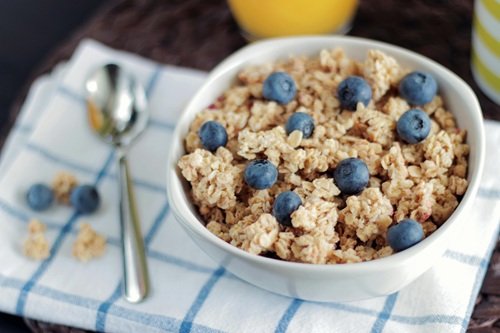
3. Follow a Nutrient-Rich Diet
Food plays a major role in strengthening immune response.
Recommended Foods:
- Citrus fruits (oranges, lemons)
- Leafy greens
- Garlic and onions
- Yogurt with probiotics
- Eggs and lean proteins
- Warm soups and stews
Avoid:
- Fried foods
- Processed sugar
- Cold beverages
- Junk food
4. Manage Fever and Pain Safely
To control fever and body aches:
- Use fever-reducing medications only as advised
- Lukewarm sponge baths can help
- Wear light clothing
Never self-medicate excessively, especially in children or elderly individuals.
5. Support Respiratory Health
Since H3N2 Clade K often affects the lungs, respiratory care is essential.
- Use steam inhalation to relieve congestion
- Keep indoor air humidified
- Practice deep breathing exercises
- Avoid smoking or secondhand smoke
6. Strengthen Immunity Naturally
Natural immune boosters can help speed recovery.
- Vitamin C-rich foods
- Zinc-containing foods (nuts, seeds)
- Turmeric milk (golden milk)
- Adequate sunlight exposure for Vitamin D
Consult a healthcare provider before starting supplements.
7. Limit Screen Time and Stress
Excessive screen exposure can worsen headaches and eye strain.
- Reduce phone and laptop use
- Practice relaxation techniques
- Try meditation or gentle stretching
Mental rest is just as important as physical recovery.
Prevention Tips for H3N2 Clade K
Prevention remains the best defense during flu season.
- Get the seasonal flu vaccine
- Wash hands frequently
- Wear masks in crowded places
- Avoid close contact with sick individuals
- Disinfect frequently touched surfaces
- Maintain good nutrition and sleep habits
Can You Get H3N2 Clade K More Than Once?
While infection provides temporary immunity, reinfection is possible due to viral mutations or weakened immunity. Maintaining preventive measures even after recovery is strongly advised.
When to Return to Work or School
You should only return when:
- Fever has been gone for at least 24 hours
- Energy levels have improved
- Cough and weakness are manageable
Returning too early can lead to relapse or spreading the virus.
Final Thoughts
H3N2 Clade K is a serious influenza strain that demands attention, especially during winter. While its symptoms can be intense, early care, proper rest, hydration, and immune support can lead to a full and smooth recovery.
By understanding the symptoms, expected duration, and following a structured recovery protocol, you can protect yourself and your loved ones from complications. Staying informed and proactive is the key to navigating this flu season safely.
Also Read: Is an Anti-Inflammatory Diet Right for You? 12 Foods to Avoid and 12 to Add to Your Plate | Telehealth and Digital Health Apps: 5 Reasons Virtual Care Is Growing Faster Than Ever | 5 powerful Minimalist Living Tips for a Stress-Free Life | 5 Easy Ways to Declutter Your Home and Boost Your Mental Clarity | Sustainable Lifestyle 2025
Frequently Asked Questions
What wellness habits should I start in spring specifically?
Spring is ideal for starting habits that take advantage of longer daylight and warmer weather, such as outdoor movement, increasing fresh produce intake, and resetting sleep schedules. You can also use the season’s renewal energy to establish new routines for hydration, sunscreen use, and stress management.
Is it really different to start healthy habits in spring versus other seasons?
Spring offers natural advantages like increased sunlight exposure (which boosts mood and vitamin D), seasonal produce at peak freshness, and warmer weather that makes outdoor exercise more appealing. These environmental factors make spring an excellent time for habit formation and sticking with new routines.
How can I prevent spring allergies from derailing my wellness routine?
Plan indoor exercise options alongside outdoor activities, manage allergies proactively with appropriate treatments, and choose times for outdoor workouts when pollen counts are lower, typically early morning or after rain. Staying hydrated and eating anti-inflammatory foods can also support your immune system.
What spring foods should I focus on for better nutrition?
Incorporate seasonal produce like asparagus, spinach, peas, strawberries, and artichokes, which are nutrient-dense and peak in flavor and nutrition during spring. These foods support detoxification and provide essential vitamins and minerals for renewed energy.
How do I maintain wellness habits once spring ends?
Build sustainable routines during spring that don’t depend solely on seasonal factors, such as establishing a consistent exercise schedule and dietary pattern. Document what works for you and gradually adjust your approach as seasons change to maintain momentum year-round.